What does back cracking mean? Experts explain the science and risks
🎧 Listen to this article
A dedicated English MP3 is generated for this article.
0:000:00
Tap listen to prepare the audio.
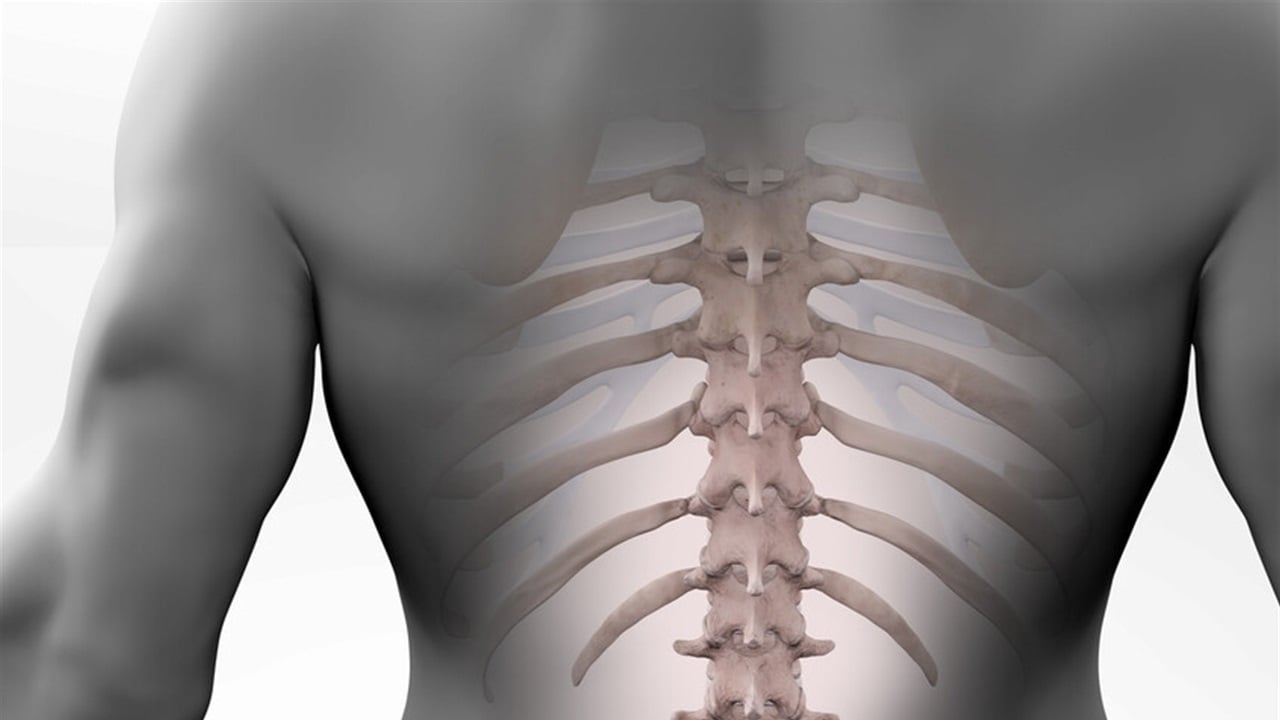
Back cracking sounds are generally produced by the small joints of the spine, where synovial fluid undergoes sudden pressure changes during movement. This process, known as cavitation, creates small gas bubbles, and researchers have observed it in finger joints using magnetic resonance imaging.
In a survey of 100 people, 49 interpreted the cracking sound as a vertebra shifting out of place, while only nine linked it to gas inside the joint. A systematic review published in 2022 compared audible and silent manipulations across five studies involving 303 adults. It found that pain relief was similar in both groups and that an increased number of cracks did not produce a greater sense of relief.
Experts say the comfort felt after cracking is likely linked to joint and muscle movement, changes in load distribution, and a shift of attention away from the pain. Mild, painless cracking is generally not considered a warning sign.
Medical evaluation is recommended when cracking is accompanied by severe or persistent pain, loss of strength, numbness in the thigh, fever, or changes in bladder or bowel control.