Iraq's water reserves drop to 2 billion cubic meters, expert warns
🎧 Listen to this article
A dedicated English MP3 is generated for this article.
0:000:00
Tap listen to prepare the audio.
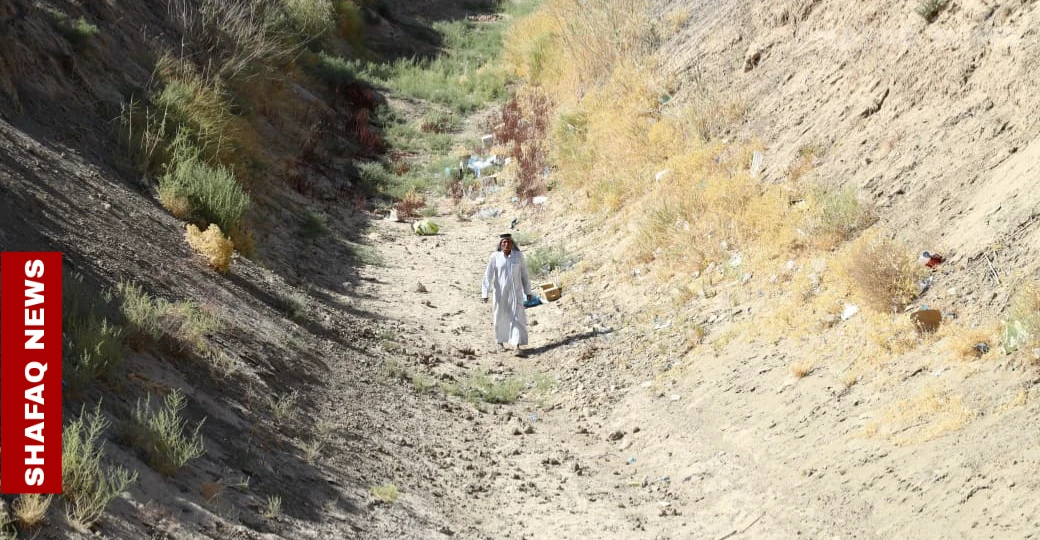
BAGHDAD, Iraq — Iraq's water reserves are projected to fall to around 2 billion cubic meters by the end of the year, raising serious concerns about drinking water supplies, water resources expert Tahsin al-Musavi said. Although water levels in dams and rivers across southern cities have risen in recent months, stability in rural areas has not been restored, with drought, climate change, weak water management and regional tensions over transboundary resources compounding the crisis in Dhi Qar, Maysan, Basra, Muthanna and Diwaniyah.
Al-Musavi said the recent rainfall had provided only a temporary seasonal boost rather than lasting relief. He noted that 70% of Iraq's water needs come from external sources through the Tigris and Euphrates rivers, while strategic storage capacity stands at 30 billion cubic meters. Population growth and agricultural expansion have pushed demand beyond supply, he added.
Pressure on water resources has intensified after the Agriculture Ministry expanded summer cultivation to roughly 1.8 million dunums, with rice planting exceeding 360,000 dunums. Zuzan Kuchair, a former parliamentary Agriculture Committee member, said water has become a national security issue requiring water diplomacy with neighboring countries.
According to Iraq's Green Observatory, desertified land has reached 40.4 million dunums, with more than 96 million dunums under threat of desertification, and over 10,000 families in Dhi Qar remain displaced.