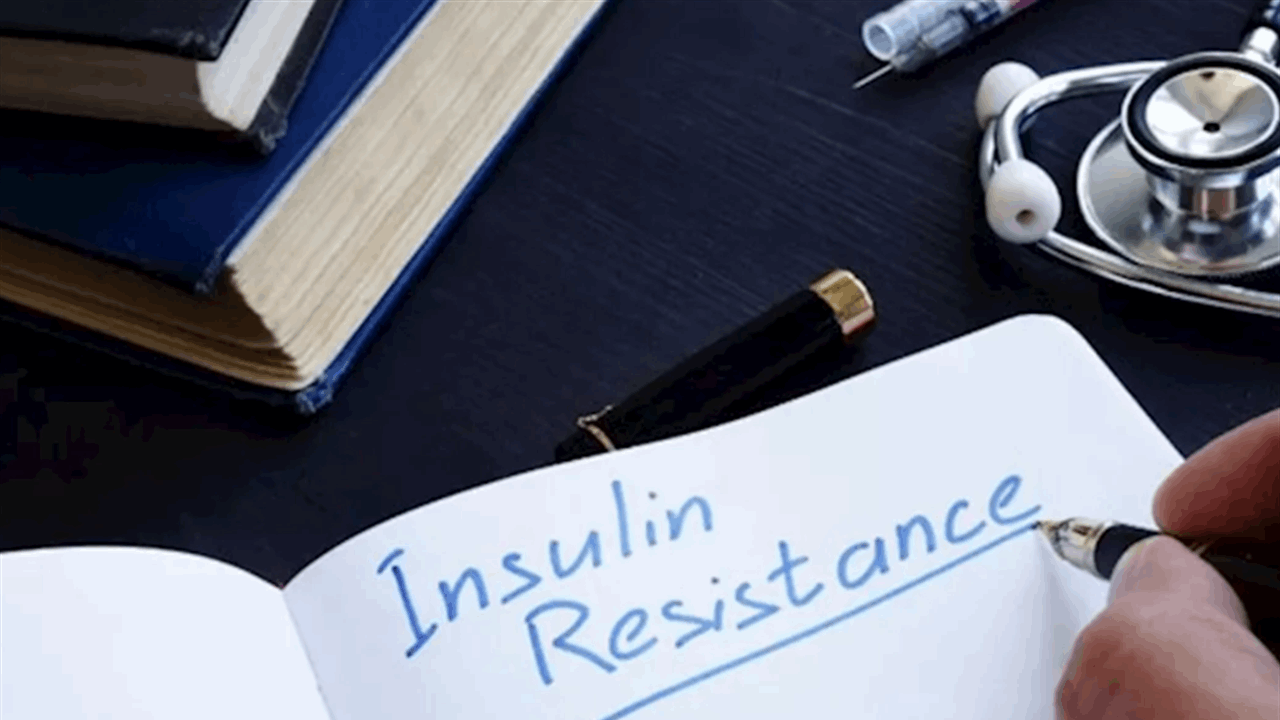
What is insulin resistance? Symptoms, risk factors and treatment explained
🎧 Listen to this article
A dedicated English MP3 is generated for this article.
0:000:00
Tap listen to prepare the audio.
Insulin resistance is a metabolic condition in which the body's muscle, fat and liver cells respond poorly to insulin, the hormone produced by the pancreas to regulate blood sugar. As a result, the pancreas produces more insulin to keep blood glucose within a normal range.
The condition often develops without obvious early symptoms but can lead to abdominal weight gain, fatigue, increased hunger, elevated blood sugar and blood pressure, and darkened, thickened patches of skin on the neck or underarms. Common risk factors include excess belly fat, a sedentary lifestyle, a diet high in calories and sugar, a family history of type 2 diabetes and sleep disorders.
There is no single routine test for diagnosis; physicians typically evaluate patients through medical history and blood work. Treatment centers on lifestyle changes, including weight loss, regular physical activity, a diet rich in vegetables, whole grains and fiber, adequate sleep and, when necessary, medication under medical supervision.
Many patients can improve insulin sensitivity through these measures, and doctors recommend that people with risk factors seek a medical evaluation.