Study raises possibility that Alzheimer's proteins can spread through blood transfusions
🎧 Listen to this article
A dedicated English MP3 is generated for this article.
0:000:00
Tap listen to prepare the audio.
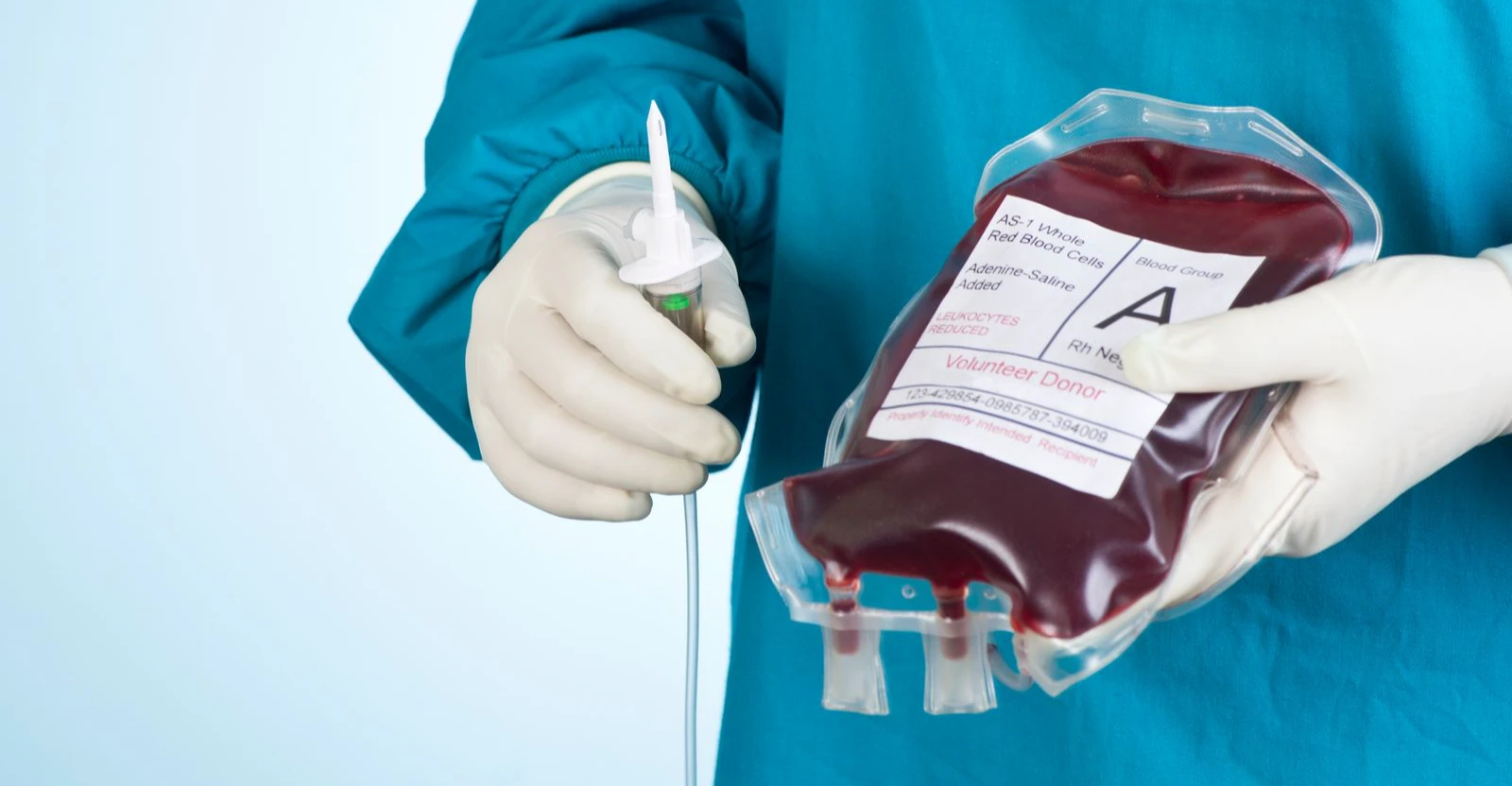
ANBAR, Iraq — A report published in The Lancet has raised the possibility that beta-amyloid proteins linked to Alzheimer's disease could be transmitted through blood transfusions. University College London neurologist John Collinge said potential risks in life-saving transfusions need to be carefully investigated.
Concerns trace back to 2015, when the first concrete evidence suggested amyloid-related diseases could be transmitted through medical procedures. Follow-up studies in 2016 and 2018 identified additional cases of protein transfer via surgical instruments. A large 2023 population study in Denmark and Sweden, covering more than one million people, found that patients who received blood from donors who later suffered brain hemorrhages faced a higher risk of repeated bleeding years later.
Researchers said the finding supports the hypothesis that beta-amyloid proteins linked to cerebral amyloid angiopathy may seed in donors' blood early and transfer to recipients, though they stressed the mechanism remains unproven. The team called for broader epidemiological analyses, monitoring of at-risk patients and a system to screen donors for Alzheimer's biomarkers.
The researchers pointed to the UK's contaminated blood scandal uncovered in a 2024 inquiry, covering the 1970s to 1990s, as a cautionary example for acting before definitive results are available. Experts said known risks remain low and that further research is needed to determine whether transmission through blood actually occurs, which groups face the highest risk and whether protective measures are warranted.