Russian researchers find both benefits and potential risks in Aloe vera
🎧 Listen to this article
A dedicated English MP3 is generated for this article.
0:000:00
Tap listen to prepare the audio.
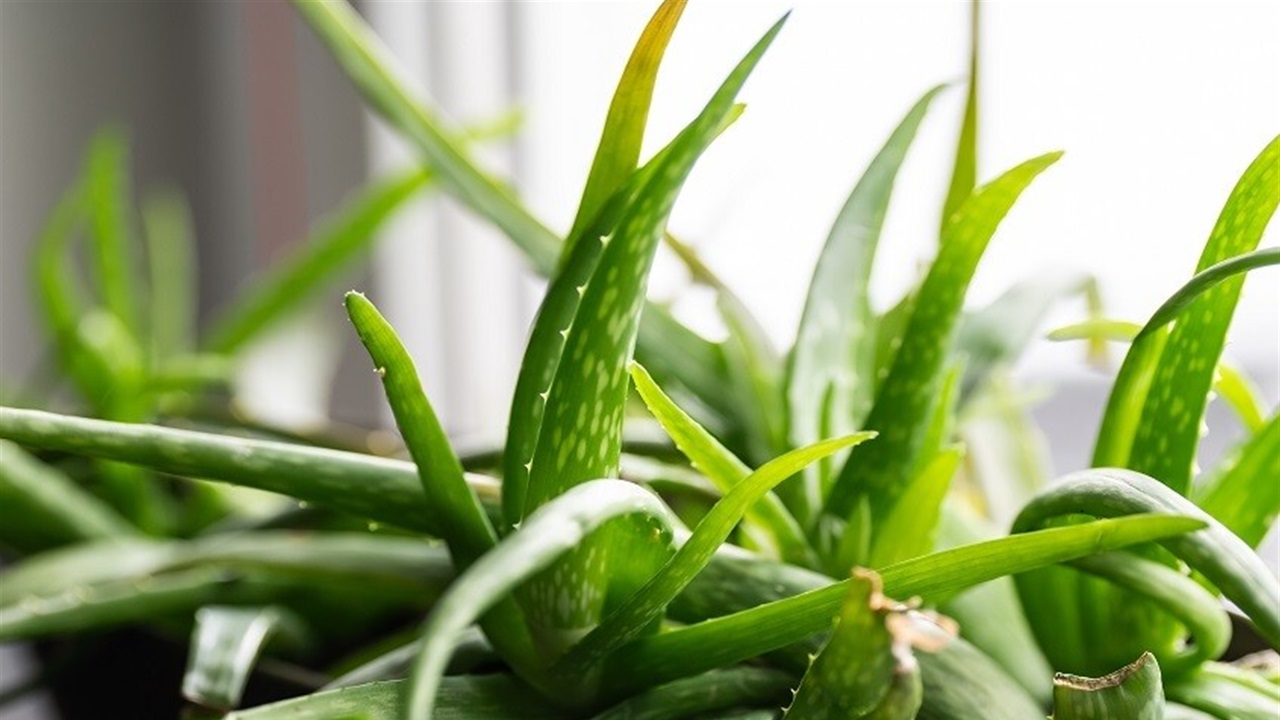
Researchers at South Ural State University have identified both beneficial and potentially harmful compounds in the Aloe vera plant, according to a study led by Dr. Irina Butoroko of the university's Faculty of Medicine and Biological Sciences.
The team analyzed the plant chemically and found that the gel inside the leaf is 99 percent water, with the remainder consisting of polysaccharides that stimulate immune cells, suppress inflammation and accelerate wound healing. Laboratory experiments showed that these compounds triggered programmed cell death in damaged cells.
The outer leaf latex, however, contains anthraquinones, particularly aloin and aloe-emodin, which researchers said can irritate cells and damage DNA if used incorrectly.
According to the university, most available data on Aloe vera's antibacterial, antiviral and antifungal properties still come from laboratory and animal studies. The researchers stressed that further work is needed to clarify the balance between the plant's benefits and its potential harms.