Iraqi researchers debate historical roots and modern practices of Husseini rituals
🎧 Listen to this article
A dedicated English MP3 is generated for this article.
0:000:00
Tap listen to prepare the audio.
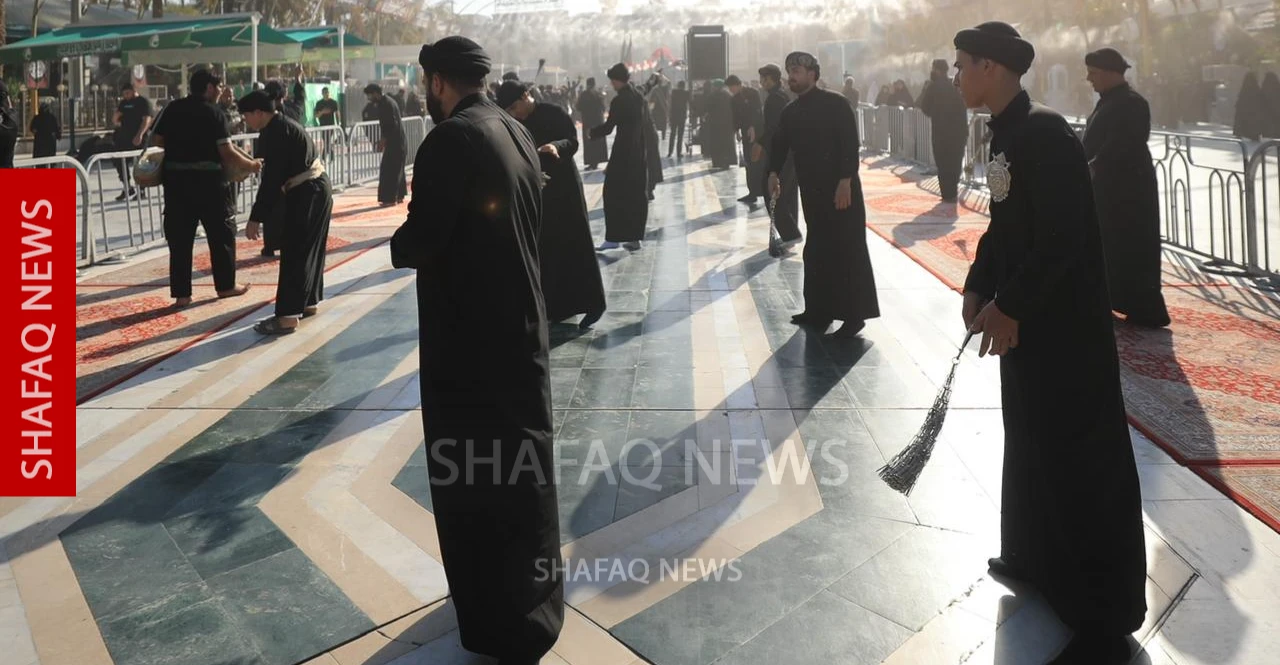
BAGHDAD, Iraq — Researchers and clerics in Iraq are weighing the historical origins of Husseini mourning rituals against certain modern practices that they say have drawn negative attention in global media. Researcher Cessam al-Saidi said the earliest form of the rituals dates to the era of Prophet Muhammad, Hassan and the Ahl al-Bayt, beginning with weeping and self-flagellation and continuing after the killing of Hussein through Zaynab and Imam Zayn al-Abidin. Al-Saidi noted that the practice known as "zincir" emerged in 369 AH in Baghdad under the Buyid dynasty, evolving from military-style implements into its current form, while later practices such as the "tawarih elegy" took shape in subsequent centuries and the "march to Karbala" tradition stretches back to the time of the imams.
Islamic researcher Sheikh Heydar al-Tamimi argued that some current practices have no direct link to religion and represent "individual or collective behaviors introduced from outside," saying certain rituals have left an unfavorable impression in international media. Citing the jurisprudential rule that it is forbidden to weaken oneself or one's sect, al-Tamimi called for a review of rituals that harm the body.
Sheikh Noor al-Saidi placed weeping, mourning assemblies, black clothing and shrine visits in the category of original and authentic rituals, while stressing that clerics operate under two core principles: the prohibition against clearly harming the soul and the prohibition against weakening the religious or sectarian community in public perception. He proposed redirecting practices toward blood donation, services for the poor and cleaning campaigns. Karbala mullah Umm Zahra said Muharram gatherings combine assembly, weeping, Quran recitation and hospitality, bridging worship and communal mourning, particularly in the tradition marking the burial of Imam Hussein on the 13th of Muharram.