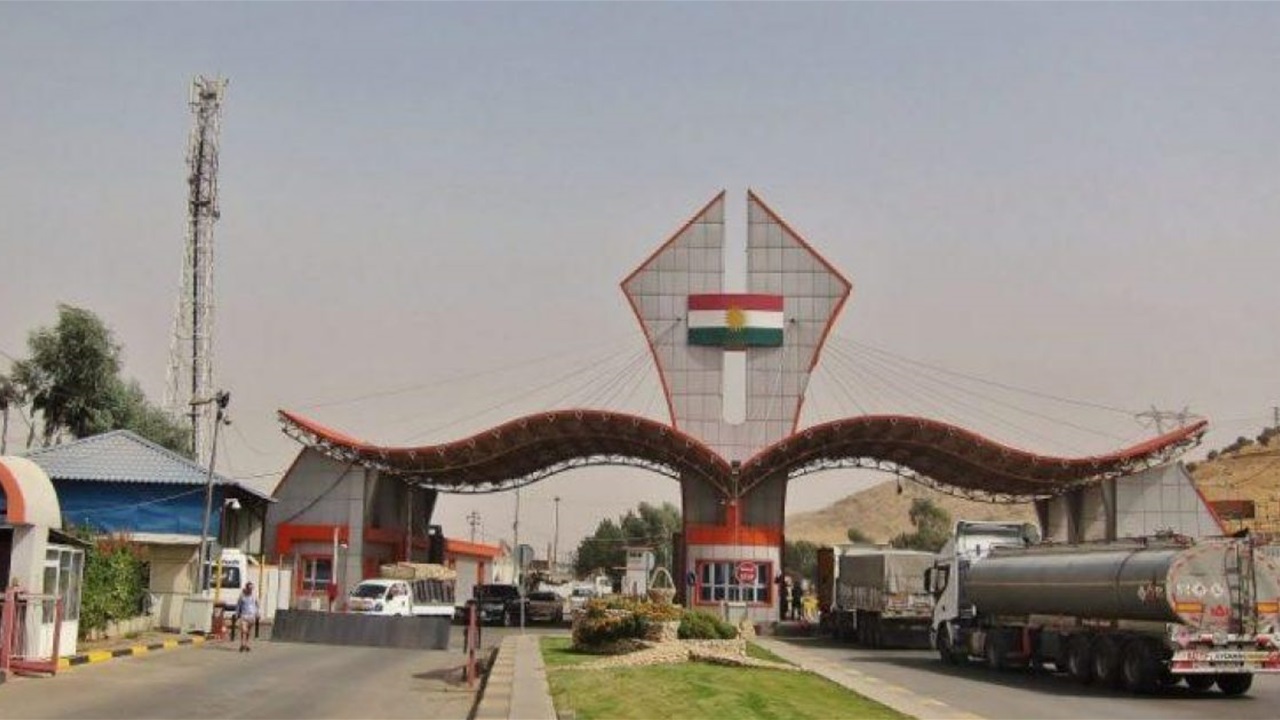
Iraqi parliament committee says Asycuda customs system set to activate in Kurdistan border crossings
🎧 Listen to this article
A dedicated English MP3 is generated for this article.
0:000:00
Tap listen to prepare the audio.
BAGHDAD, Iraq — Iraq's Parliamentary Committee on Border Crossings and Protection of Domestic Production said a memorandum of understanding between the federal government and the Kurdistan Regional Government on unifying border crossings and activating the Asycuda customs system in the region is set to be implemented soon.
Committee member Selvan Taha Akravi said a memorandum exists between the two governments regulating revenue sharing between federal and regional crossings, and that an agreement to unify all crossings and enable Asycuda in Kurdistan has been referred to the Council of Ministers of Economy for approval. He said the agreement is expected to be endorsed by the Council of Ministers thereafter. Akravi noted that, under the constitution, half of non-oil revenues such as customs and taxes are transferred to the federal government, and added that the Kurdistan Ministry of Finance publishes annual transparent tables covering all revenues including customs income.
Economist Jalil al-Lami said activating Asycuda at Kurdistan's crossings would mark a shift in economic reform and customs administration, establishing a unified electronic system linking all border crossings to a central database, reducing human intervention and curbing customs smuggling. Official commercial crossings in Kurdistan include Ibrahim al-Khalil, Hashimuk, Parvizkhan and Haji Omaran, alongside Erbil and Sulaymaniyah airports, which also handle customs procedures.
Akravi claimed that full implementation of the system could raise customs revenues by 50 to 150 percent, potentially lifting annual Kurdistan revenues from 1 trillion to 1.75 trillion dinars and providing around 800 billion dinars in additional annual resources to the federal treasury.