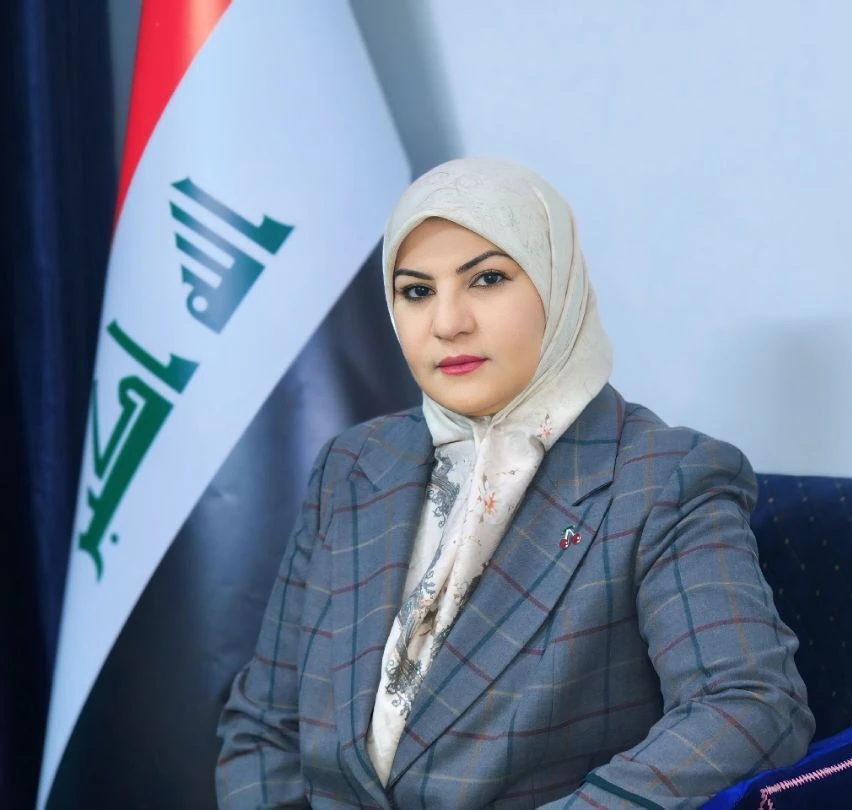
Iraqi columnist: Is citizenship only on paper?
🎧 Listen to this article
A dedicated English MP3 is generated for this article.
0:000:00
Tap listen to prepare the audio.
BASRA, Iraq — An Iraqi columnist has questioned whether constitutional citizenship rights in Iraq are translating into real living conditions for ordinary citizens, despite the country's vast oil and natural resource wealth.
Writing that Iraq ranks among the world's wealthiest states in oil and natural resources, the columnist argued that the central question is whether that wealth reaches the population. He cited Articles 14, 30, 31, 34 and 111 of the 2005 Iraqi Constitution, which guarantee equality, a dignified life, healthcare, free education and the right of all citizens to the country's oil revenues, but said these guarantees have largely remained on paper.
He pointed to retirees who worked for forty years and still receive pensions insufficient to cover basic needs, and to teachers, doctors and engineers unable to afford a home for their children over an entire career. Civil servants with the same qualifications and years of service receive different salaries depending on their ministry, with those in the education, agriculture, culture and municipal sectors facing serious shortfalls, a disparity he said violates the constitutional principle of equality.
The columnist also noted that oil revenues are not distributed equitably across the country. Producing governorates such as Basra, Maysan, Dhi Qar, Wasit and Kirkuk continue to suffer environmental damage, infrastructure decay and health problems while receiving an inadequate share of oil income, with persistent gaps in hospitals, schools, roads, water and sewage systems.
Drawing on examples from Singapore, Austria, Germany, Canada, Norway and Finland, he called for housing, healthcare and pension systems adequate to human dignity. His proposed remedies include a single, merit-based civil service pay scale, full and timely allocation of oil funds to producing governorates, and distribution of national income according to population, deprivation and development needs. In his view, citizenship only acquires meaning when equality in rights and living conditions is genuinely achieved.