Iran bans 2026 astragalus gum collection in Kermanshah over drought
🎧 Listen to this article
A dedicated English MP3 is generated for this article.
0:000:00
Tap listen to prepare the audio.
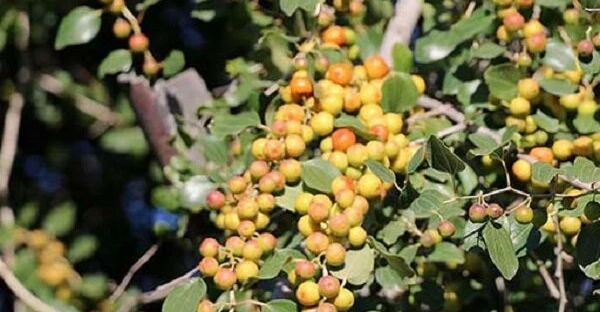
TEHRAN, Iran — TEHRAN — Iran has suspended the collection of astragalus gum, known as kitre, in the western province of Kermanshah for 2026, citing prolonged drought and low rainfall. The provincial Natural Resources and Waterways Protection Directorate said the ban covers all rangelands and forests in the province and was imposed by a technical commission to halt vegetation degradation and preserve the genetic stock of the astragalus plant.
Mohammad Hossein Rostami, the directorate's head, said those collecting the gum without authorization during the current season will face legal penalties. He added that the sustainable path forward lies in building local processing facilities to add value to the product, rather than exporting the raw material. Astragalus plants naturally spread across roughly 80,000 hectares in Kermanshah, with the densest concentrations in Sanceri, Kermanshah, Hersin, Sahneh and Kinvare districts. Under normal climate conditions, natural production is recorded at 2 to 3 kilograms per hectare.
Vahid Azizi, the directorate's business sector official, said kitre is a complex gum with a multi-sugar structure used in the pharmaceutical, food and cosmetics industries for its anti-inflammatory and anti-oxidation properties. Local experts have urged the Agriculture Ministry and the Natural Resources Organization to encourage knowledge-based companies to establish medicinal plant processing facilities in the province, viewing the ban as an opportunity to restructure the sector. No further details on enforcement timelines or penalties were immediately available.