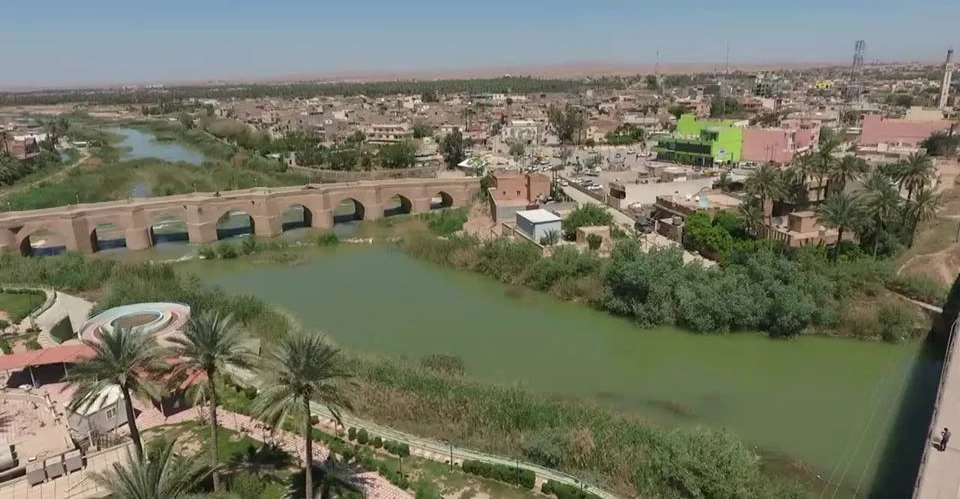
Administrative boundaries of Khanaqin shrink as demographics shift, Kurdish figures say
🎧 Listen to this article
A dedicated English MP3 is generated for this article.
0:000:00
Tap listen to prepare the audio.
KHANAQIN, Iraq — Administrative boundaries and the demographic makeup of the Khanaqin district in Diyala province have changed significantly in recent years, according to local Kurdish political figures. Mihsin al-Aga, a senior official in the Patriotic Union of Kurdistan (PUK), said the district's original territory included Kara Tepe, Jibare, Jalawla and Sa'adiya, and that their conversion into separate districts reduced Khanaqin's area.
Serbest Berzo, a Kurdistan Democratic Party (KDP) member, said the changes occurred in two phases: the 1992 transfer of the Bamu and Maydan subdistricts to Kalar, and administrative reorganizations in Mandali, Jalawla, Kara Tepe, Jibare and Sa'adiya following the 2017 events. Berzo added that Arab families settled in Khanaqin after 2017, purchasing land and businesses, a trend he said has deepened disputes linked to Article 140 of the Iraqi constitution, which addresses disputed territories.
Local residents and officials described further social effects. Educator Abu Marwan said interest in Kurdish-language education has declined and that a financial crisis in the Kurdistan Region, combined with limited public-sector hiring, has made prospects harder for young people. Citizen Sirwan Mohammed linked the administrative changes to a broader power struggle, alleging that some Arab Sunni parties pushed the reorganizations to strengthen their position in Diyala.
Political analyst Ahmed Mohammed said competition between the PUK and KDP has split the Kurdish vote in Khanaqin and called on the two parties to agree on a joint political and legal program. No further details on any official response were immediately available.