US-Iran rivalry fuels media polarization in Iraq, researcher says
🎧 Listen to this article
A dedicated English MP3 is generated for this article.
0:000:00
Tap listen to prepare the audio.
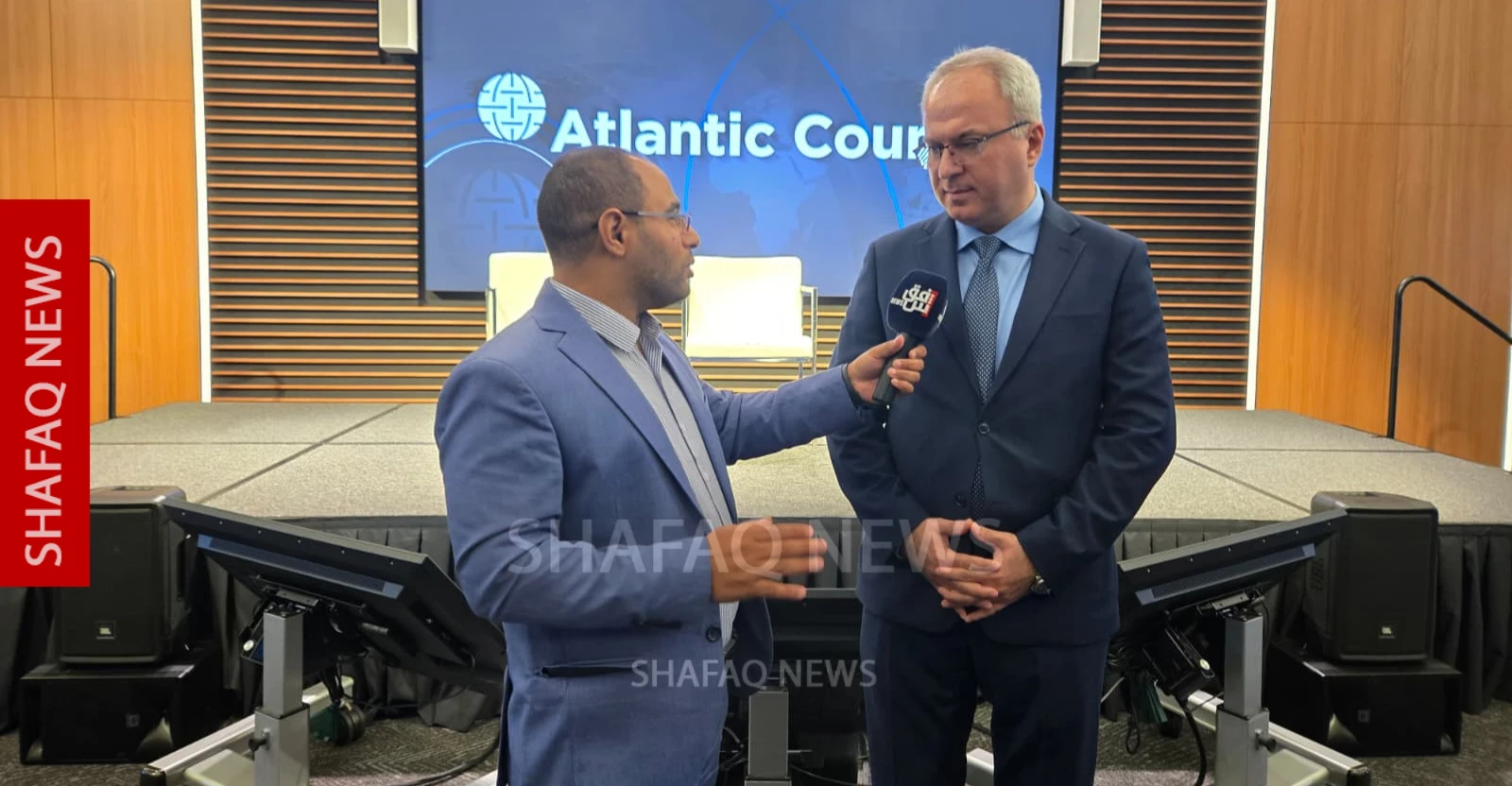
WASHINGTON, United States — WASHINGTON — Serhenk Hama Said, an Iraq and regional affairs researcher, said the rivalry between the United States and Iran has produced sharp polarization in Iraq's media landscape. Speaking in Washington, Said told reporters that Iraqi journalists practice strong self-censorship to avoid risks of killing, arrest and direct targeting.
Said said press freedom in Iraq falls short of desired standards, with domestic and foreign actors seeking to use the media for their own interests. While the security environment in the Kurdistan Region is relatively calmer, he said the core challenges remain, chief among them limited access to information.
The US-Iran tension, he argued, has deepened sectarian discourse and political polarization in Iraq, pressuring parties and figures to either back or oppose Tehran. Said added that it is too early to assess the media policies of Prime Minister Ali al-Zaydi's government, noting that the administration's immediate priorities are the economy and improving ties with Washington and neighboring countries.
Said proposed three steps to strengthen press freedom: reinforcing good governance through full implementation of the constitution, expanding transparency and access to information, and building the professional capacity of oversight and judicial bodies.