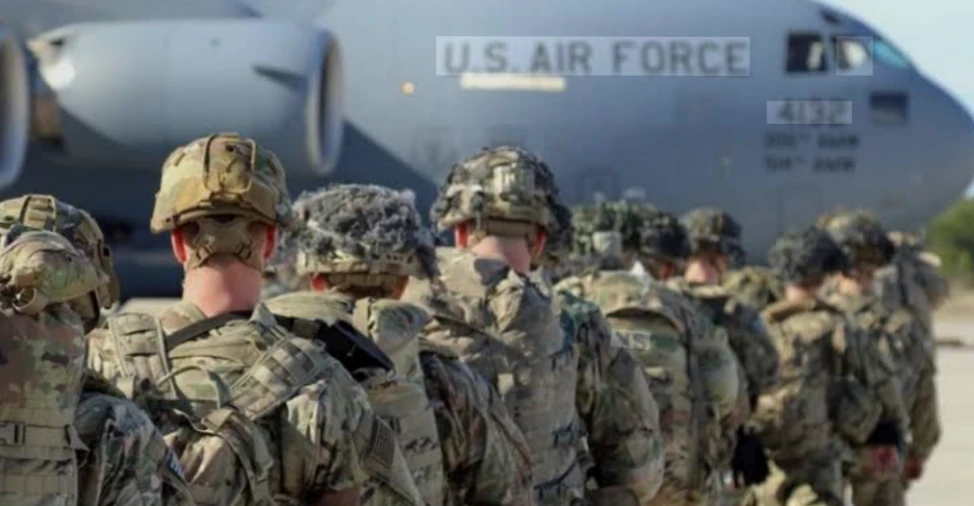
US expert: Iraq troop withdrawal will not end Washington's regional influence
🎧 Listen to this article
A dedicated English MP3 is generated for this article.
0:000:00
Tap listen to prepare the audio.
WASHINGTON, United States — A Boston University political science professor said the U.S. decision to end its military mission in Iraq is a serious step that reflects a transition to a bilateral security partnership. Speaking in remarks published Tuesday, Marcin Szemanski, an assistant professor of political science at Boston University, said the withdrawal of roughly 2,500 troops will not bring an end to the broader U.S. military presence and influence in the Middle East.
Szemanski said Washington's red lines have not changed, adding that the U.S. has not hesitated to carry out direct military operations on Iraqi territory when its forces or interests have been targeted. He criticized what he described as U.S. surface-level pressure on integrating armed groups such as the Popular Mobilization Forces into official state institutions, arguing that structural causes have been left unaddressed.
The professor also said that since 2003, Washington has not shown real will to build a strong Iraqi army, a failure he said has allowed informal armed formations to persist. Iraq and the United States agreed in September 2024 on a phased plan to move the anti-ISIS international coalition's military mission in Iraq from a coalition framework into a bilateral partnership. The first phase of the mission was completed in September 2025, while some forces in the Kurdistan Region remained in place to support operations in Syria.