U.S. EIA: Hormuz Disruptions Cut Middle East Oil Output by Over 11 Million Barrels Daily in May
🎧 Listen to this article
A dedicated English MP3 is generated for this article.
0:000:00
Tap listen to prepare the audio.
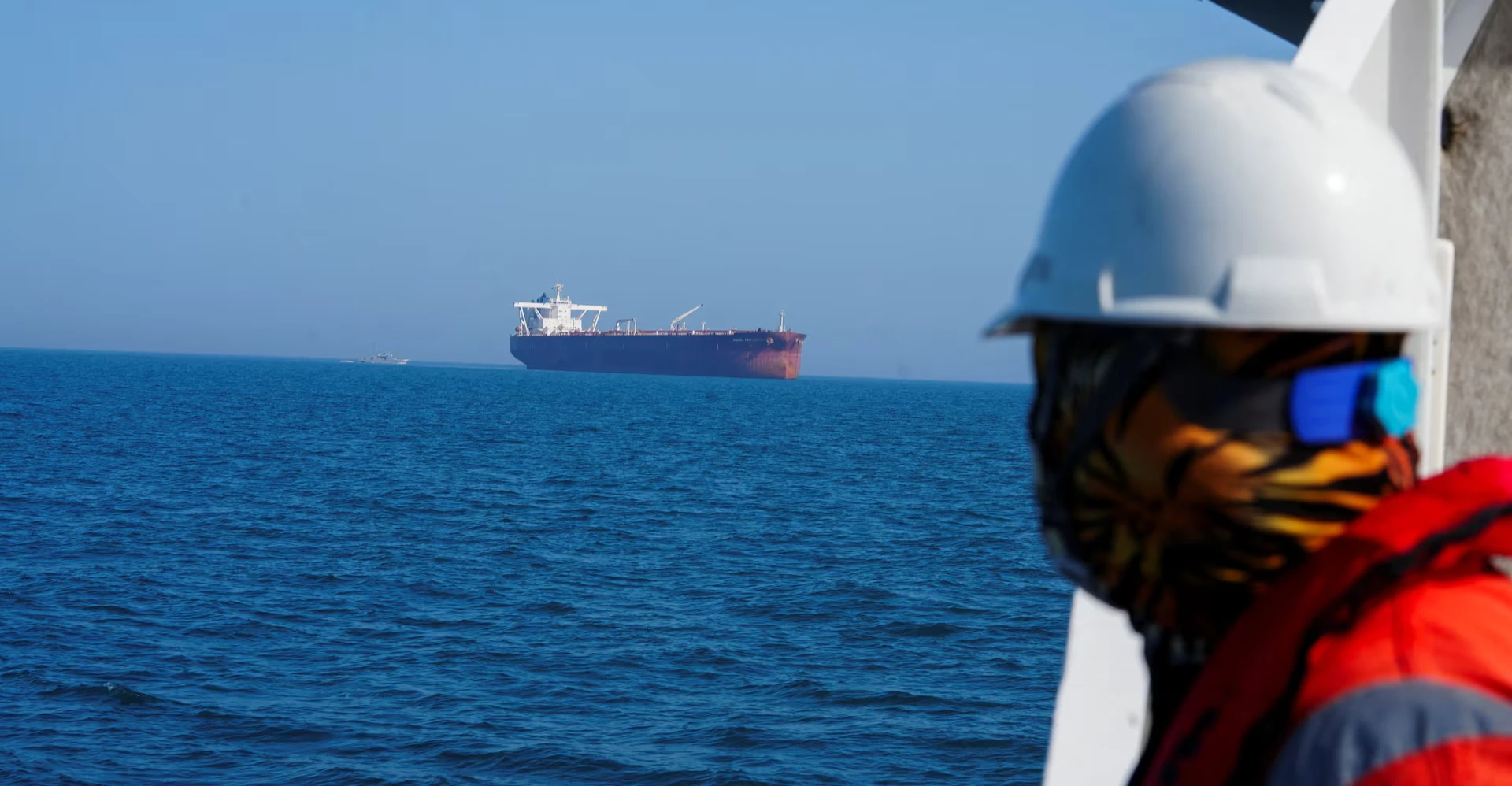
DUBAI, United Arab Emirates — The U.S. Energy Information Administration reported that disruptions at the Strait of Hormuz reduced Middle East oil production by more than 11 million barrels per day in May. The agency forecast that some Middle East output will remain disrupted until the end of 2027, with traffic through the strait not expected to return to pre-war levels before early 2027. Oil shipments are predicted to resume in the third quarter of 2026.
Reuters analysis shows oil stored in tankers within the Gulf has declined from 184 million barrels in March to approximately 148 million barrels currently, indicating an acceleration in shipments from the region. Tanker movements have shown a limited increase in recent weeks, though the average daily number of vessels passing through the strait remains at roughly one-third of normal levels.
Uncertainty surrounding the strait's maritime traffic continues to affect oil flows from Gulf states. Security risks and marine insurance costs remain elevated. Experts say normalization of oil shipments depends on greater stability in maritime transit and the return of empty tankers to Gulf ports.