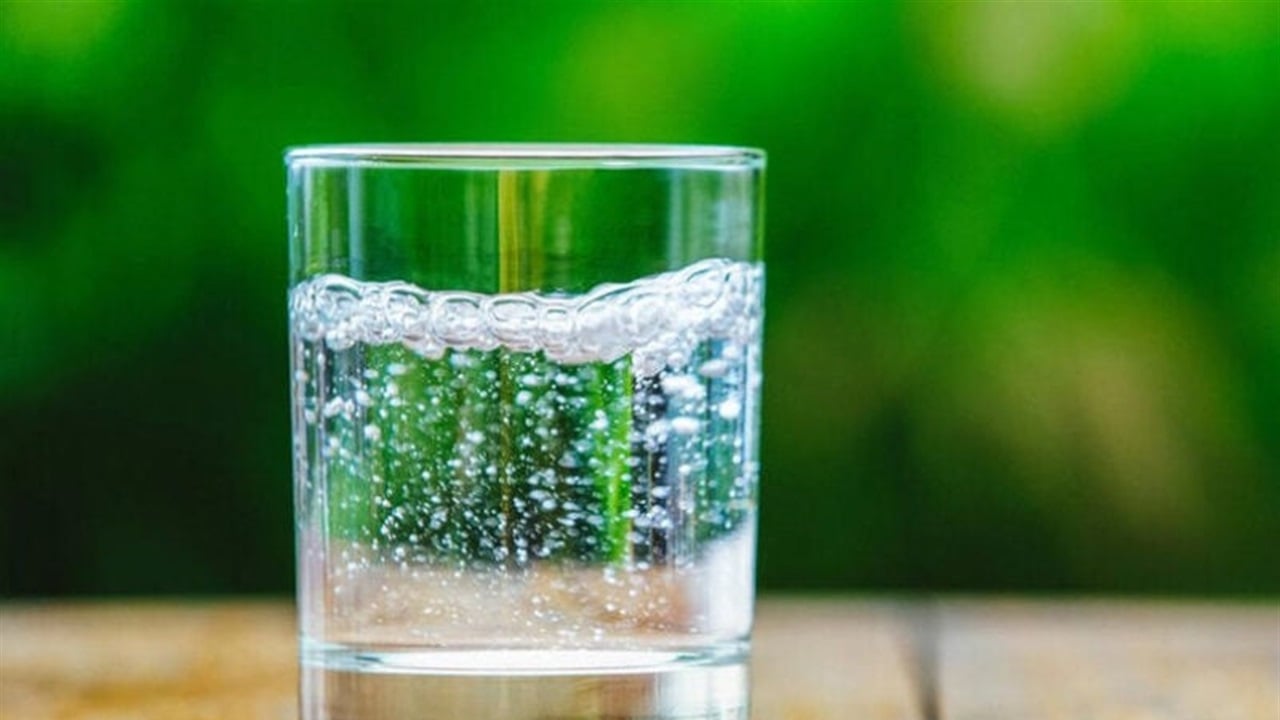
Eight regions named among the world's cleanest drinking water sources
🎧 Listen to this article
A dedicated English MP3 is generated for this article.
0:000:00
Tap listen to prepare the audio.
Researchers have identified eight regions across the Americas, Europe and the Pacific Rim as sources of exceptionally clean drinking water, where natural filtration through volcanic rock, gravel and sand layers leaves groundwater nearly free of contaminants.
In Ontario, Canada, samples drawn from artesian wells in the Elmville area of Simcoe County recorded an average chloride level of 1.2 milligrams per liter and lead concentrations below 1 nanogram per liter, comparable to ancient ice measurements taken in Antarctica. In Iceland, rainwater percolates through porous volcanic rock before reaching underground reservoirs, allowing the municipal supply to reach consumers with minimal chlorination or no chemical treatment.
Finland derives about 60 percent of its drinking water from pristine groundwater, while Switzerland exceeds 80 percent, with precipitation filtered slowly through layers of rock, gravel and sand before entering municipal networks. Denmark has focused on protecting its groundwater reserves since 1971, and Sweden supports a sustainable supply through extensive freshwater resources and strict environmental policies.
At Chile's southern tip, Puerto Williams and the U.S. state of Hawaii produce highly pure water that requires only limited treatment, thanks to their remote locations and volcanic geology.