Sulfur prices surge 134% since US-Iran war began as Hormuz shipping disruption bites
🎧 Listen to this article
A dedicated English MP3 is generated for this article.
0:000:00
Tap listen to prepare the audio.
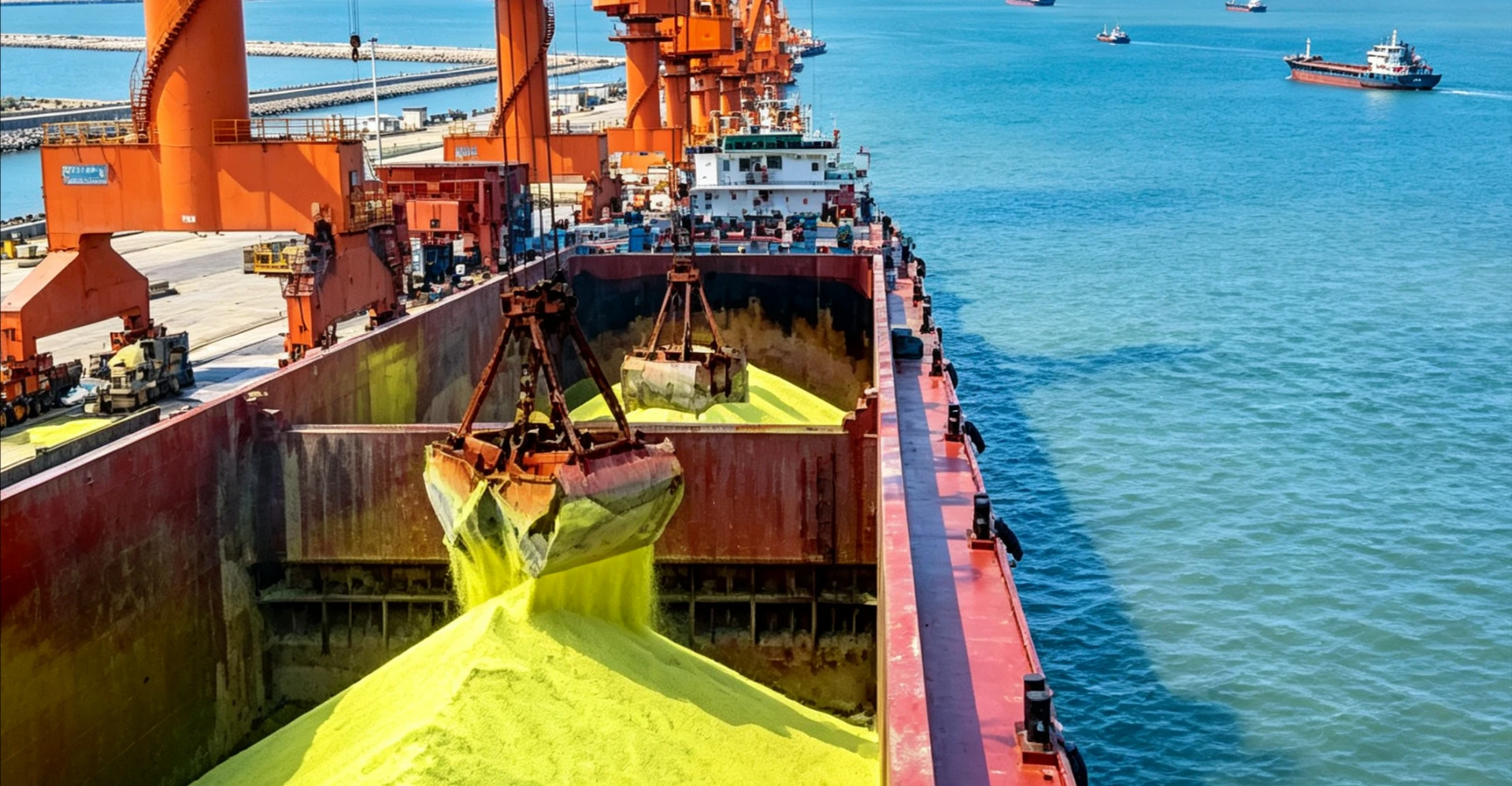
DUBAI, United Arab Emirates — Sulfur prices have risen 134% since the start of the US-Iran war in February, according to data from Bull Theory cited by Reuters. The Strait of Hormuz carries roughly half of seaborne sulfur trade, and wartime disruption has sharply reduced shipments through the choke point.
Only 80,000 tons of sulfur exited the strait during the first three and a half months of the war, the data showed. After a ceasefire took hold, that figure climbed to 640,000 tons, though supply remains tight and competition over existing cargoes has intensified. The fertilizer industry accounts for about two-thirds of global sulfur demand, transmitting the price increase directly into world food costs.
The rally has spread into metals markets as well. Sulfur is used in the extraction of copper and nickel, and Macquarie estimates the price surge has added roughly $4,000 per ton to nickel production costs in Indonesia. Even as vessel traffic through Hormuz has shown signs of recovery since the ceasefire, renewed fighting and continued disruptions to maritime transport are keeping pressure on sulfur prices.