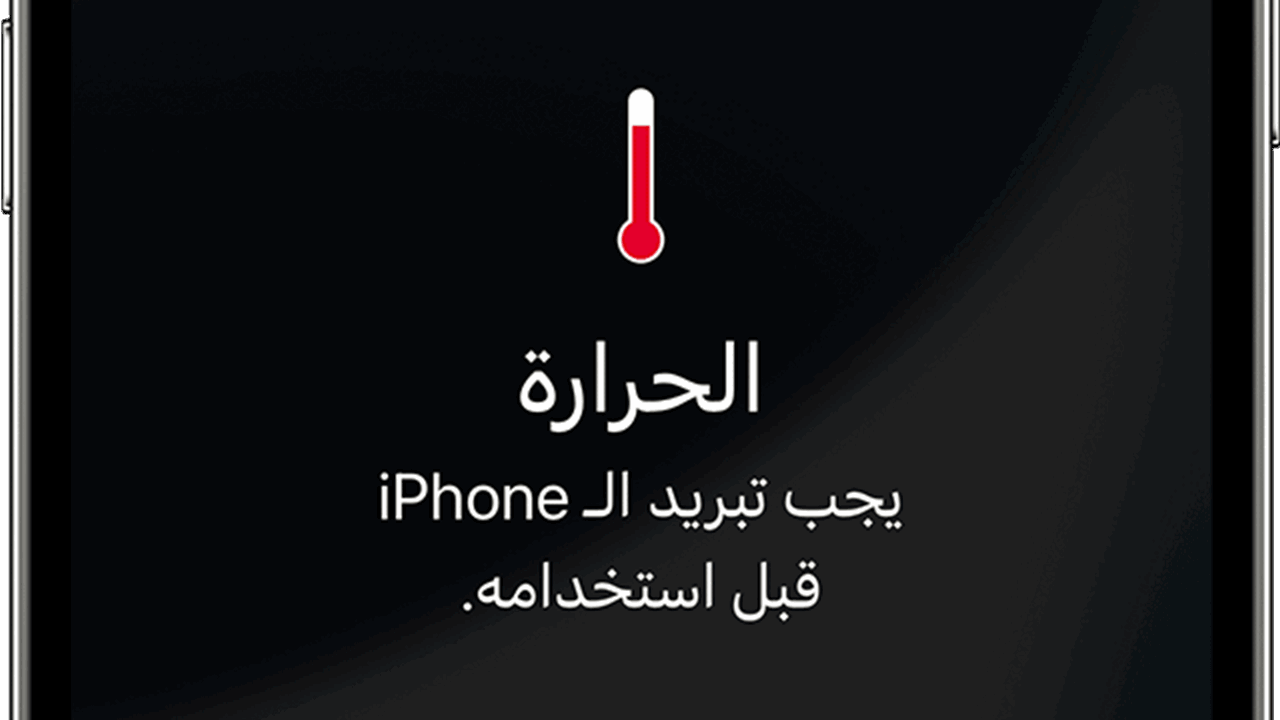
Seven practical steps to prevent smartphone overheating in summer heat
🎧 Listen to this article
A dedicated English MP3 is generated for this article.
0:000:00
Tap listen to prepare the audio.
Rising summer temperatures can push smartphones beyond their safe operating range, causing slowdowns, sudden shutdowns, and long-term damage to batteries and internal components. Most devices are designed to function between 0 and 35 degrees Celsius, and internal temperatures can climb rapidly once that threshold is crossed.
Experts recommend keeping phones out of parked vehicles, where cabin temperatures can exceed 54 degrees Celsius within minutes. They also suggest enabling airplane mode in areas with weak signal to prevent the battery from working harder than necessary to maintain a connection.
Users are advised against charging a phone that is already warm and, where possible, to avoid wireless charging during hot weather. Direct sunlight and prolonged storage on a car dashboard should be avoided; instead, audio-based navigation and reduced screen brightness can help limit heat buildup.
Battery-saver mode should be set as the default before heading outside, and phones should be kept in the shade, inside a bag, or in a light-colored case, as dark cases can trap heat. Closing background apps before leaving the house reduces unnecessary power consumption and further limits temperature rise.