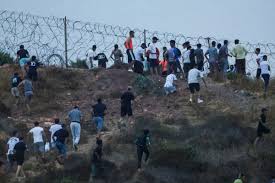
Opinion: Irregular migration framed as a global, multi-layered crisis
🎧 Listen to this article
A dedicated English MP3 is generated for this article.
0:000:00
Tap listen to prepare the audio.
Writing in an opinion column, author Zuhur al-Huwayldi argues that irregular migration has moved beyond simple population movement and become a multi-layered crisis threatening global stability. He describes the phenomenon as a product of structural vulnerabilities created by a form of globalization that allows capital to move freely while restricting human movement.
According to the analysis, those vulnerabilities have enabled multinational companies to exploit cheap labor and weak regulations, hollowed out traditional sectors such as agriculture, and deepened structural unemployment and chronic poverty. Al-Huwayldi identifies development inequality as the core driver of migration, noting that wealth and technology remain concentrated in the global North while the global South continues to carry heavy debt loads and a lack of industrialization.
The column also highlights the human rights dimension, saying millions have died at sea and in deserts and that smuggling networks and exploitation have spread. Climate change is described as a compounding factor, displacing millions through drought, desertification and rising sea levels. The author concludes that irregular migration produces transnational consequences across security, economic, environmental and cultural spheres, and that the underlying structural inequalities must be addressed.