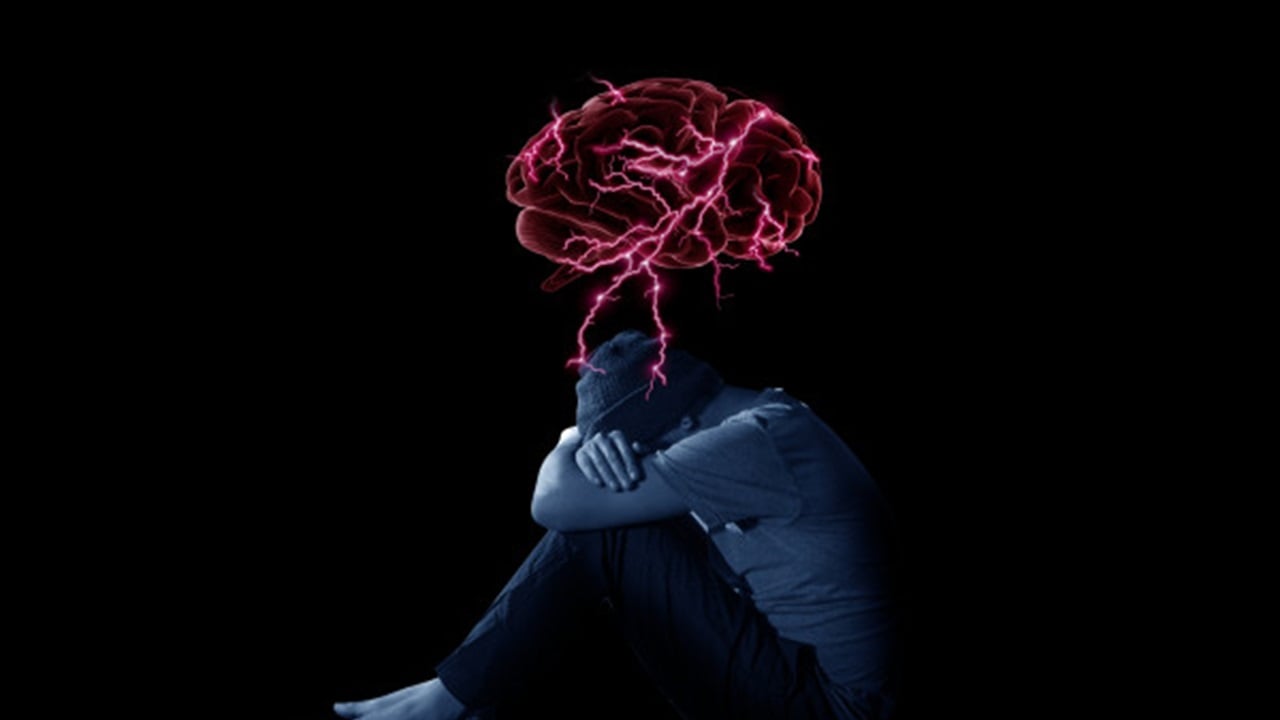
Long-term stress and its physical symptoms explained in medical guidance
🎧 Listen to this article
A dedicated English MP3 is generated for this article.
0:000:00
Tap listen to prepare the audio.
Prolonged psychological pressure can produce real physical pain even when no underlying organic disease is present, with extended anxiety and stress commonly showing up as headaches, muscle tension, digestive complaints and chronic fatigue. During periods of stress and anxiety the body releases higher levels of hormones such as cortisol and adrenaline, and when that response becomes sustained it can disrupt sleep, digestion, the muscular system, immune function and overall energy.
The most frequently reported physical manifestations include head and neck pain, stiffness in the shoulders and lower back, stomach cramps, diarrhea or constipation, chest pressure and palpitations. Medical guidance cited in the report stresses that chest pain should not be assumed to be psychological on its own; symptoms such as shortness of breath, sweating, dizziness or pain radiating to the arm require urgent evaluation.
Persistent stress also disrupts sleep quality, deepening fatigue and making it harder to break the stress cycle. Health professionals recommend a medical assessment for any new, severe or ongoing pain to rule out organic causes, with psychological support added to the process when needed.