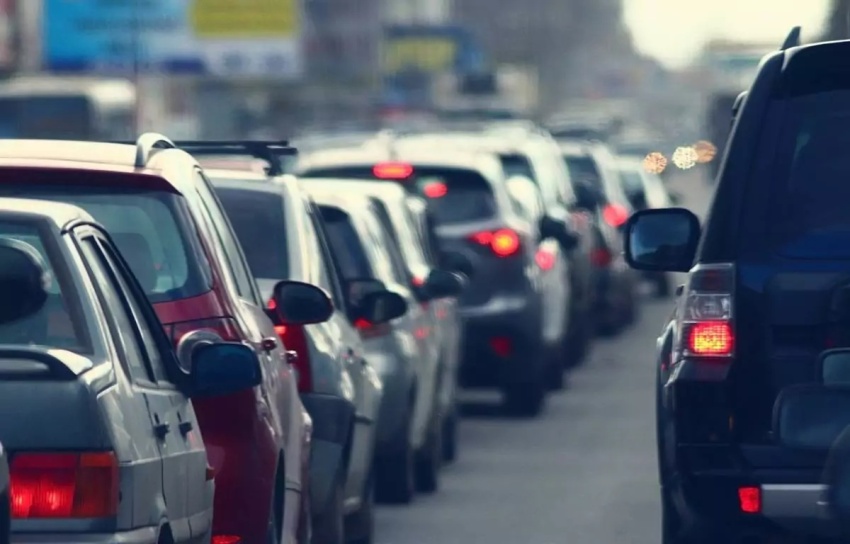
Iraqi economist warns traffic congestion is costing the economy billions of dinars a year
🎧 Listen to this article
A dedicated English MP3 is generated for this article.
0:000:00
Tap listen to prepare the audio.
BAGHDAD, Iraq — Iraq's growing vehicle numbers and limited public transport infrastructure have turned traffic congestion into a serious economic and social problem, with early estimates pointing to annual losses in the billions of dinars from wasted time, fuel and lost productivity, economic affairs expert Ahmed Temimi said on Friday.
Speaking on June 26, Temimi said cities including Baghdad, Basra, Erbil and Najaf were facing a "silent transport crisis" that worsens each year as roads fill with commuters, students and drivers stuck in stop-and-go traffic for hours at a time. He noted that the resulting fuel consumption drives up public energy spending and adds to environmental pollution.
Temimi argued that new road and bridge projects would not address the root of the problem because, in his reading of the global literature, expanding road capacity tends to encourage more private car use rather than ease congestion. Iraq, he added, still lacks a comprehensive national database to measure the economic cost of traffic jams, and existing early-stage estimates point to multi-billion-dinar losses each year.
Plans for metro lines, driverless trains and rapid bus systems have been on the drawing board for years but have not moved into implementation because of high costs, financing difficulties and shifting government priorities, according to Temimi. He said a sustainable solution would require modern public transport networks, redesigned traffic flows and the introduction of smart transport management systems rather than additional bridges and tunnels alone.