Iraq Faces $9.5 Billion Monthly Gap as Oil Exports Weaken
🎧 Listen to this article
A dedicated English MP3 is generated for this article.
0:000:00
Tap listen to prepare the audio.
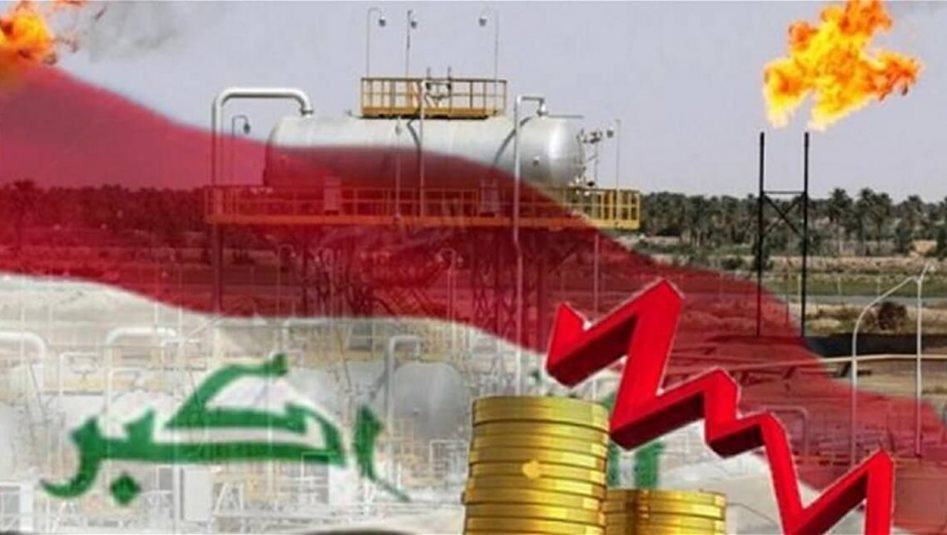
Iraq is facing an estimated monthly fiscal deficit of about $9.5 billion as lower oil exports and the risk of a shutdown of the Strait of Hormuz threaten state revenues, according to the prime minister’s financial adviser. The warning underscores the pressure on public finances and the urgency of measures to protect salaries, operating spending and monetary stability.
The Ministry of Finance has prepared a three-stage emergency plan to offset the revenue loss through domestic borrowing, external borrowing and higher non-oil income. Officials view domestic borrowing as a fast way to cover salaries and operating expenses, but it could drain bank liquidity and raise the cost of local financing.
External borrowing could provide dollar liquidity and support currency stability, but it would also come with reform conditions and add to the public debt burden. The balance between immediate financing needs and longer-term fiscal risk has become central to the government’s response.
Increasing non-oil revenues is described as the most strategic medium- and long-term option. That approach would depend on tighter control of border crossings and customs, digitalizing the tax system and reducing the size of the informal economy.
The implementation of the public financial management system is expected to strengthen fiscal oversight and reduce waste and corruption. Banking reform and public-private partnership mechanisms are also seen as ways to improve Iraq’s economic resilience.