Former Iraqi politician's self-criticism of post-2003 parties fuels political debate
🎧 Listen to this article
A dedicated English MP3 is generated for this article.
0:000:00
Tap listen to prepare the audio.
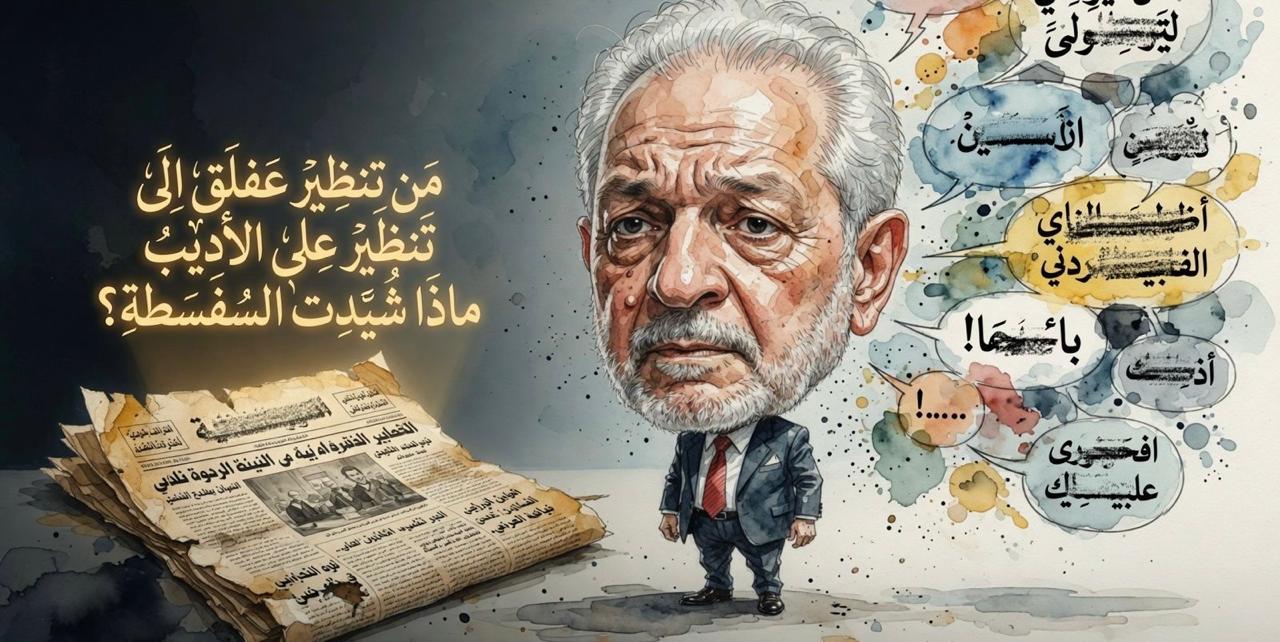
A public self-assessment by Ali al-Edeb, a prominent political figure from Iraq's post-2003 era, has reignited debate over the country's political class and its record on governance.
Al-Edeb's remarks on the current standing of Islamic parties have prompted renewed scrutiny of an administration that critics say has failed for years to deliver adequate electricity, water, employment and basic services. With more than two decades of incomplete development projects, the gap between political rhetoric and tangible results has deepened public distrust, fueling widespread anger toward the parties.
Critics argue that Iraq's ruling forces have been reluctant to review their own record or acknowledge mistakes, often presenting themselves as targets or victims. The broader question, analysts say, is whether public frustration with the political class can be attributed to ready-made accusations and conspiracy narratives, or whether it reflects a deeper demand for accountability.
Many Iraqis now evaluate political parties by their on-the-ground performance rather than by their slogans, according to the discussion surrounding al-Edeb's comments.