Can suppressing sweat in hot weather harm health?
🎧 Listen to this article
A dedicated English MP3 is generated for this article.
0:000:00
Tap listen to prepare the audio.
Around 5 billion people worldwide use antiperspirants or deodorants daily, with some applying the products beyond the underarm area, according to widely cited figures. Specialists note that sweating is a core mechanism for regulating body temperature, with a trained individual capable of producing roughly four liters of perspiration per hour.
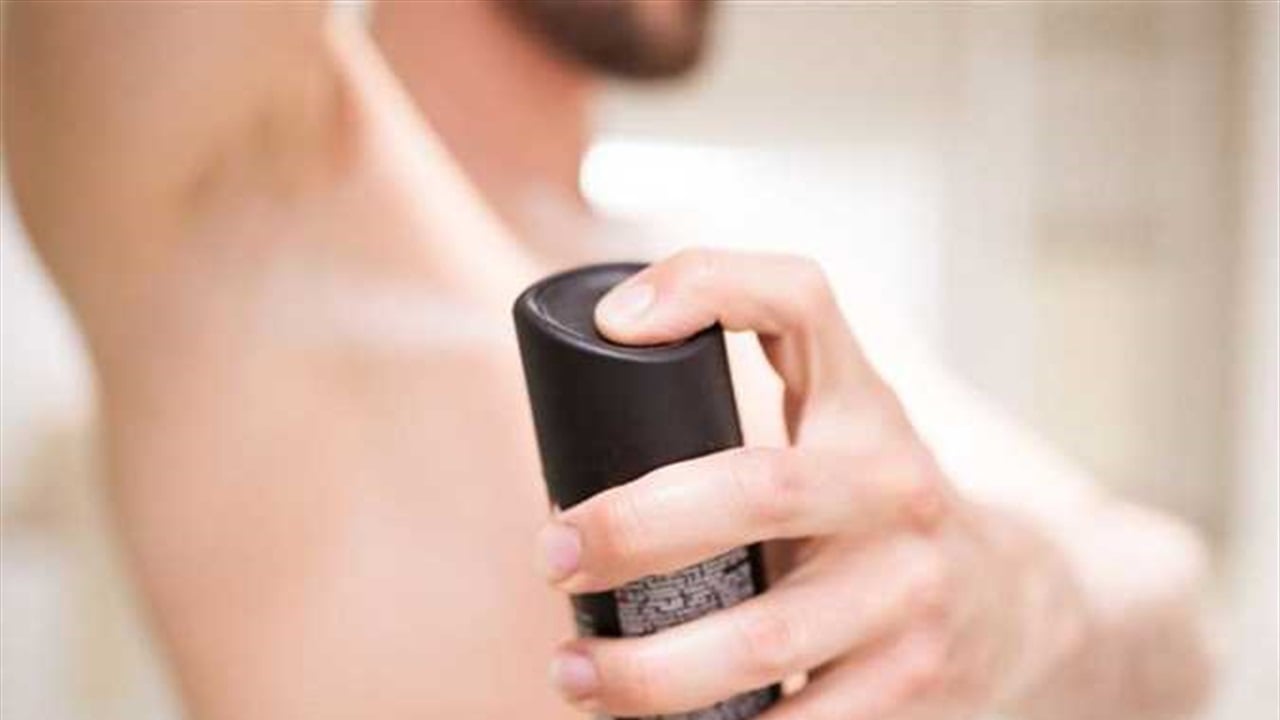
The dark fluid released by glands in the underarm and groin provides the medium for odor-causing bacteria, while sweat glands across the rest of the body function mainly to cool the skin. Antiperspirants use aluminum-based compounds to temporarily block sweat ducts and are classified by the U.S. Food and Drug Administration as over-the-counter products; deodorants, by contrast, do not stop sweat but target bacteria and fall under cosmetics regulation.
Research has not provided scientific support for the widespread claim that aluminum causes breast cancer or Alzheimer's disease. Specialists also stress that blocking underarm sweat does not interfere with overall body-temperature regulation, since the glands responsible for cooling are distributed across the body. They add that clean sweat on areas such as the legs and forearms does not create conditions favorable to bacterial growth, making whole-body application of such products generally unnecessary.