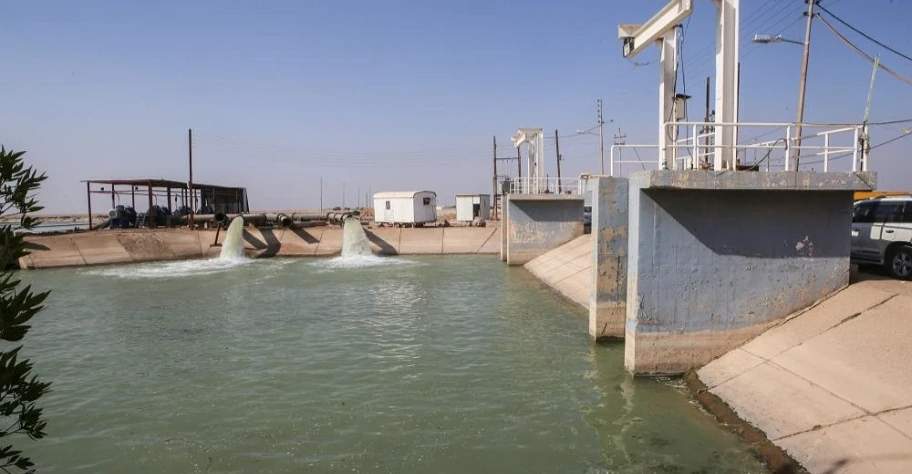
Basra reports sharp decline in water salinity across key stations
🎧 Listen to this article
A dedicated English MP3 is generated for this article.
0:000:00
Tap listen to prepare the audio.
BASRA, Iraq — Official data from the Basra Directorate of Water Resources shows a significant year-on-year decline in salinity levels at monitoring stations across the city, according to a document reviewed by media outlets. Measurements at the Tigris–Khorah line fell from 1,300 to 1,020 parts per million, while the Euphrates–Medina line dropped from 1,540 to 1,420. In Deir, salinity declined from 1,565 to 1,255, and in the Ketiban area it fell sharply from 5,700 to 2,510.
Stations in more populated areas recorded similar improvements. The city center reading fell from 14,420 to 5,100, Abu al-Khaseeb dropped from 17,400 to 5,600, and Seyhan declined from 29,400 to 17,430, the figures showed.
On June 26, 2026, Basra lawmaker Ahmed Taha al-Rubaie warned of a continuous rise in salinity from south to north, saying it threatened fishing, livestock and agriculture in the province. Basra, Iraq's southernmost major city, had struggled with high salinity for years due to drought from 2020 to 2025 and upstream water restrictions on the Tigris and Euphrates, with saline intrusion from the Gulf at times rendering supplies unfit for household use.