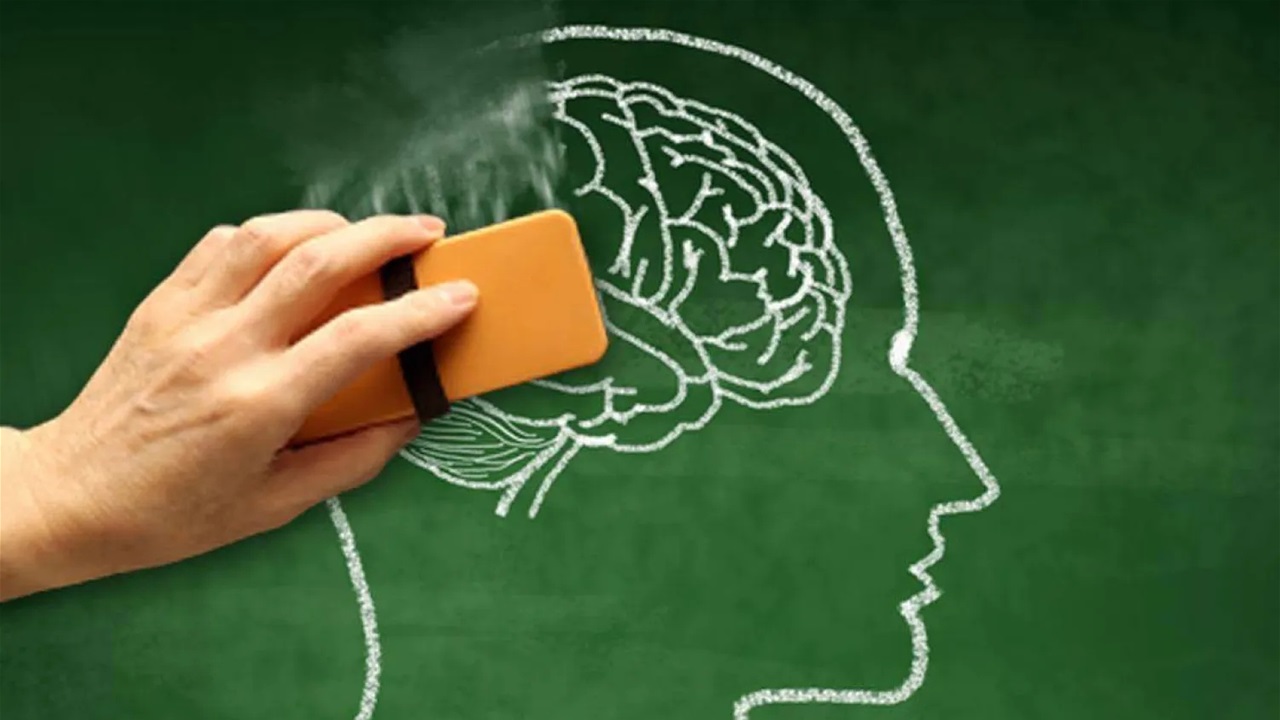
Study finds stress sharpens focus on goal-relevant details but blurs context
🎧 Listen to this article
A dedicated English MP3 is generated for this article.
0:000:00
Tap listen to prepare the audio.
Researchers at the Open University of Catalonia have found that the brain processes information differently under stress, selectively prioritizing details tied to a specific objective while letting surrounding context fade.
In the study, participants took on the role of a boarding gate agent in a virtual airport, tasked with locating designated passengers by name and face. The group under high pressure remembered passengers' names and faces more accurately and for longer, but struggled to recall each passenger's exact location on the screen.
The researchers attributed the pattern to the brain's effort to conserve energy through what they described as "dynamic prioritization," recording information directly tied to the goal. Study author Álvaro Pastör said the brain strategically selects information most relevant to a person's objective rather than processing at random under pressure. Co-author Pierre Burodin-Kritz added that forgetting certain contextual details during a demanding event is not a memory flaw but a functional adaptation.
The team said the findings could have applications in education, justice, healthcare, aviation and emergency management.