Severe Gum Disease Doubles Heart Attack Risk, Research Shows
🎧 Listen to this article
A dedicated English MP3 is generated for this article.
0:000:00
Tap listen to prepare the audio.
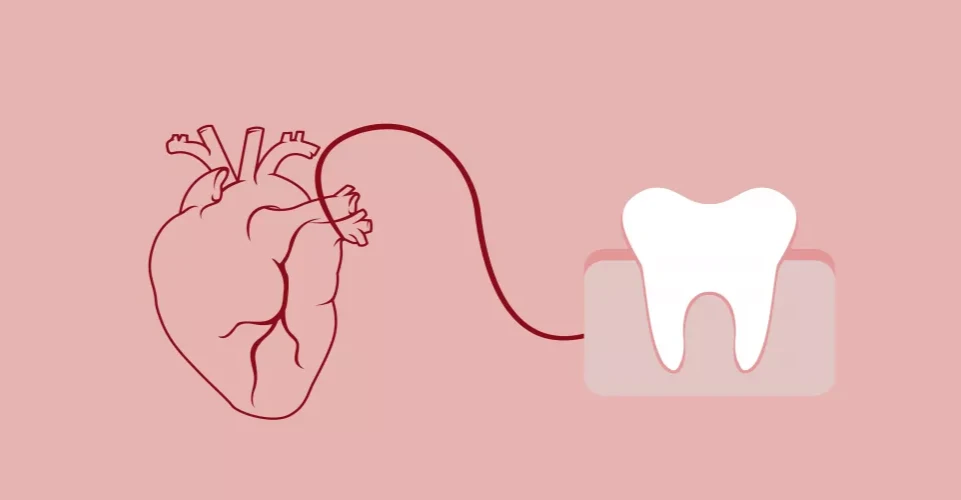
Severe periodontitis increases the risk of heart attack by approximately 2.5 times and stroke by twofold, according to a meta-analysis cited by Russian medical researchers.
Dr. Denis Moiseev, an instructor at Pirogov University in Russia, explained that periodontitis creates an open wound that allows bacteria and toxins to enter the bloodstream. He said Porphyromonas gingivalis bacteria damage arterial walls, disrupting blood vessel lining function and accelerating atherosclerosis plaque formation, which can lead to blood clotting.
The cardiovascular risk from severe gum disease is comparable to that of elevated bad cholesterol and smoking, the research indicates. Cardiologists have now included periodontitis in lists of cardiovascular disease risk factors.
Patients with high blood pressure or a history of heart attacks are advised to undergo regular gum examinations. Dr. Moiseev noted that treating gum disease may be more effective than increasing statin medication in reducing heart attack and stroke risk.