Scientists in Shanghai Create Lab-Made Mini Heart Model
🎧 Listen to this article
A dedicated English MP3 is generated for this article.
0:000:00
Tap listen to prepare the audio.
A research team in Shanghai has developed a laboratory model that mimics the structure that regulates the human heart’s natural rhythm, potentially opening new paths for studying arrhythmias and future biological treatments that could reduce dependence on electronic devices.
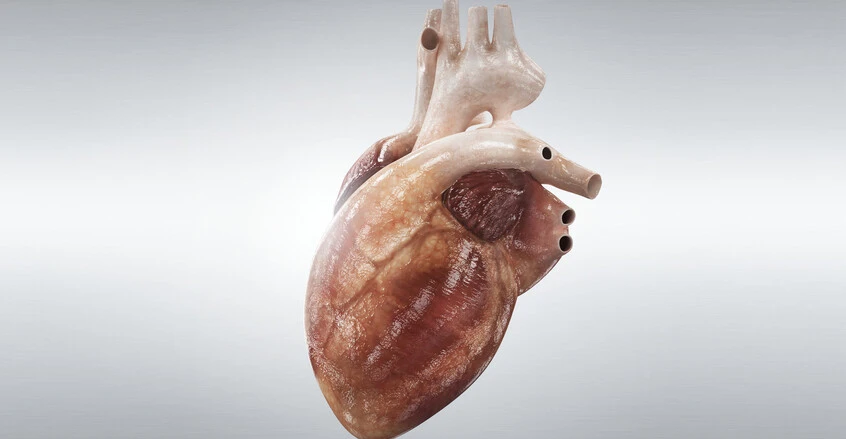
Using human stem cells, the scientists created a three-dimensional organoid resembling the sinus node, which sits in the heart’s right atrium and acts as its natural pacemaker. The mini structure beats on its own and generates regular electrical signals.
The team also combined the model with an artificial network similar to the nerve network at the base of the heart. That allowed researchers to recreate the interaction between the nervous system and the rhythm-regulating structure.
The study is expected to help researchers examine rhythm disorders in greater detail and support the development of biological therapies for heart conditions. It may also contribute to approaches that lessen reliance on electronic devices in the future.