MP Warns Iraq’s Oil Dependence Poses Major Fiscal Risks
🎧 Listen to this article
A dedicated English MP3 is generated for this article.
0:000:00
Tap listen to prepare the audio.
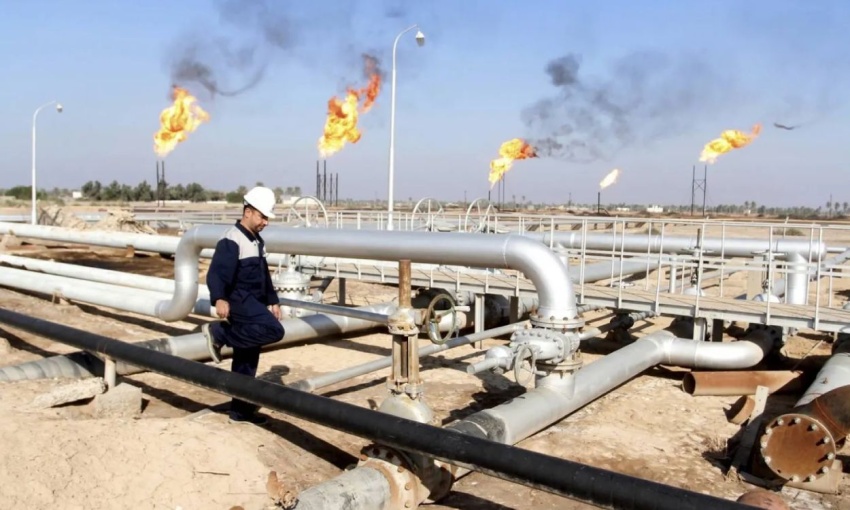
Iraq faces a mounting risk of fiscal collapse because more than 90% of state revenue depends on oil, as global energy markets shift and geopolitical tensions spread from the Gulf to the Eastern Mediterranean. The warning underscores renewed debate over Iraq’s rentier economic model and its exposure to external shocks.
MP Mukhtar al-Mousawi said the country could face serious financial risks if its one-way dependence on oil continues. He said sharp drops in oil prices, wars that disrupt export chains and the world’s move toward clean energy represent five major threats to the Iraqi economy.
Al-Mousawi said other oil-producing countries diversified their income sources decades ago, while Iraq has not taken serious steps in that direction. He said this has left the country’s economic structure fragile.
He pointed to periods in the past when oil prices fell below $30 per barrel, saying they exposed Iraq’s fiscal weakness. He argued that non-oil revenue should be activated and the country’s other resources managed more efficiently.
Military activity in the region and discussions over closing the Strait of Hormuz are also threatening oil export routes, adding further pressure to Iraq’s economic outlook. The risks come at a time when Iraq remains heavily reliant on petroleum for public finances and external earnings.