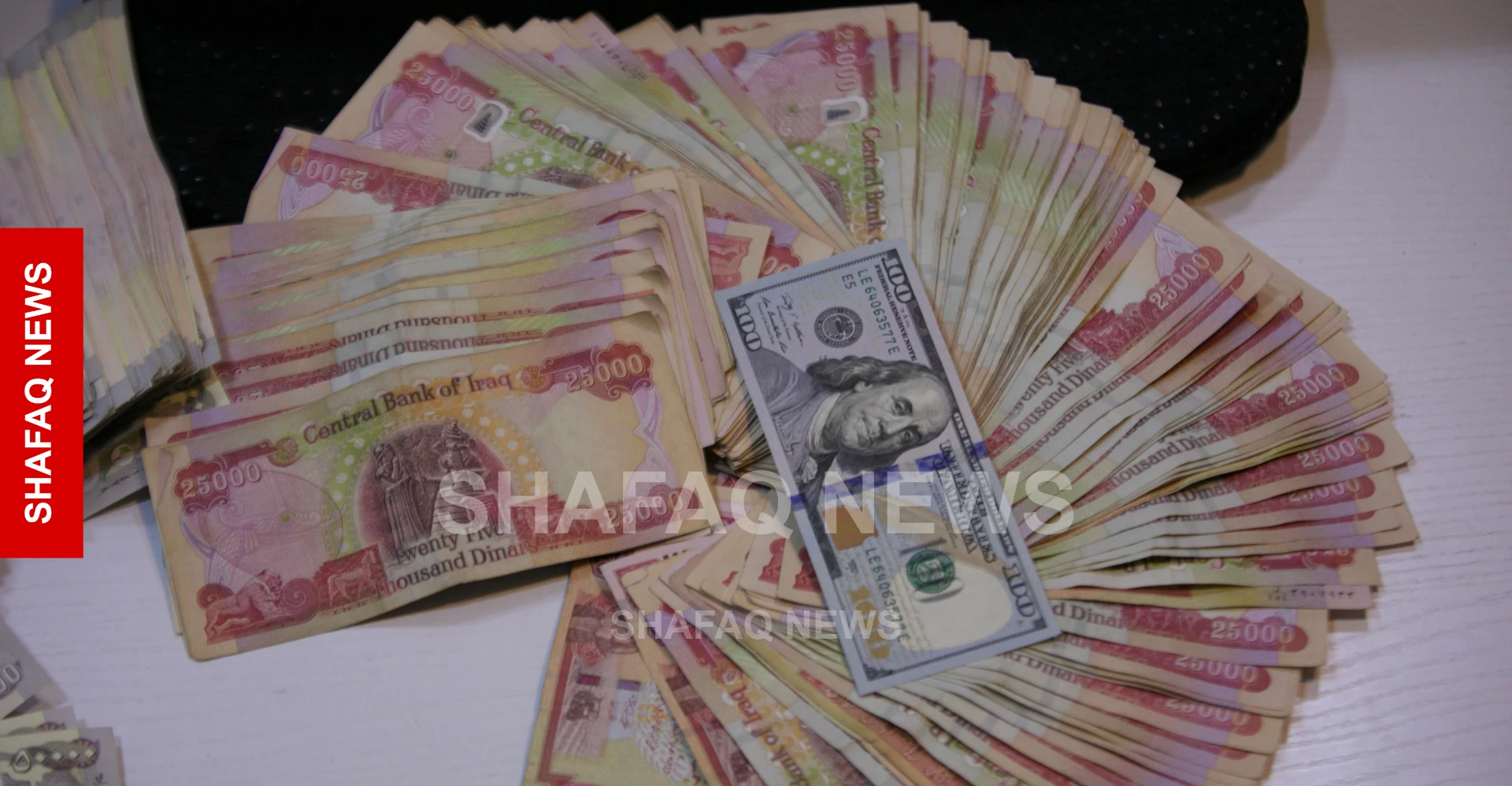
Iraqi public salaries stretched thin as household savings decline
🎧 Listen to this article
A dedicated English MP3 is generated for this article.
0:000:00
Tap listen to prepare the audio.
BAGHDAD, Iraq — Civil servants and pensioners in Iraq are spending their monthly pay almost as soon as it arrives, leaving little room to save, according to economists and financial officials. Income is absorbed by housing rent, generator and internet subscriptions, food, transport, school costs and healthcare, with households reporting that the question at month’s end has shifted from how much they saved to how they will get through the month.
Mazhar Mohammed Salih, financial adviser to the prime minister, said the national savings rate stands at roughly 12 to 15 percent of gross domestic product, and that a large share of money remains outside the banking system. Economist Hilal al-Ta’an said only 9.7 percent of Iraqis were able to save in 2024, citing low incomes, high consumption and limited trust in banks as the main factors.
Central Bank data shows that as of the end of June 2026, about 91.7 percent of the 111.189 trillion dinars in circulation was held outside banks. Najm Abd Tarish, an academic at Dhi Qar University, said inflation has eroded the dinar’s purchasing power and wiped out real savings, while economist Dirgham Mohammed Ali warned that weak household savings are directly limiting the banking system’s lending capacity.