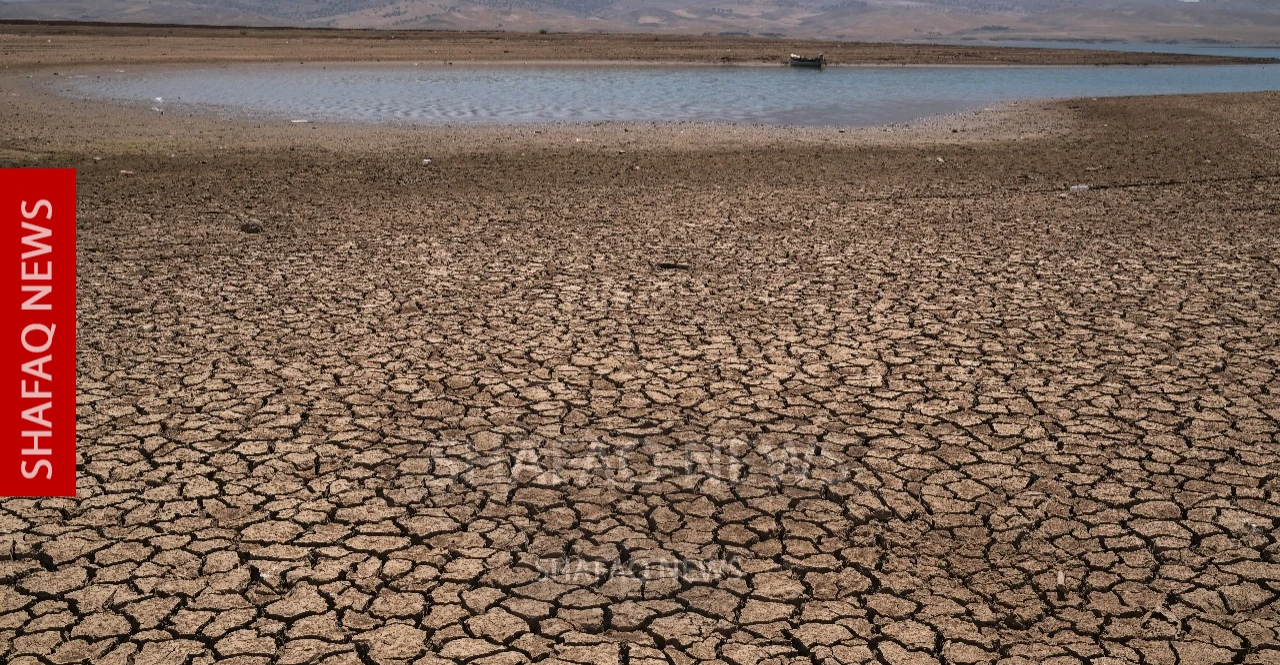
Iraq's irrigable farmland shrinks by over 70%, deputy minister says
🎧 Listen to this article
A dedicated English MP3 is generated for this article.
0:000:00
Tap listen to prepare the audio.
BAGHDAD, Iraq — Iraq's irrigable agricultural land has contracted by more than 70% compared with previous decades, driven by climate change and shrinking water resources, Deputy Agriculture Minister Mehdi al-Jubouri said. He pointed to declining inflows from the Tigris and Euphrates rivers and reduced rainfall as factors that have directly disrupted the country's agricultural planning.
According to ministry data, areas suitable for traditional irrigation have fallen from 6 million dunums to roughly 2 million dunums, passing through an interim figure of 5 million dunums. The Agriculture Ministry has responded by shifting policy toward fixed and mobile irrigation systems and drip irrigation, contracting for more than 13,000 modern irrigation systems during the 2023–2025 period. The equipment is provided to farmers with 30% state support, with the remaining cost repayable in installments over 10 years.
The wider use of modern irrigation techniques has helped Iraq achieve self-sufficiency in wheat for a fourth consecutive year and lifted output of summer and winter vegetables as well as fodder crops. Surplus production has led the country to begin exporting alfalfa and fodder grass. The ministry also plans to distribute improved seeds, laser leveling equipment and rice seedlings to further raise productivity.