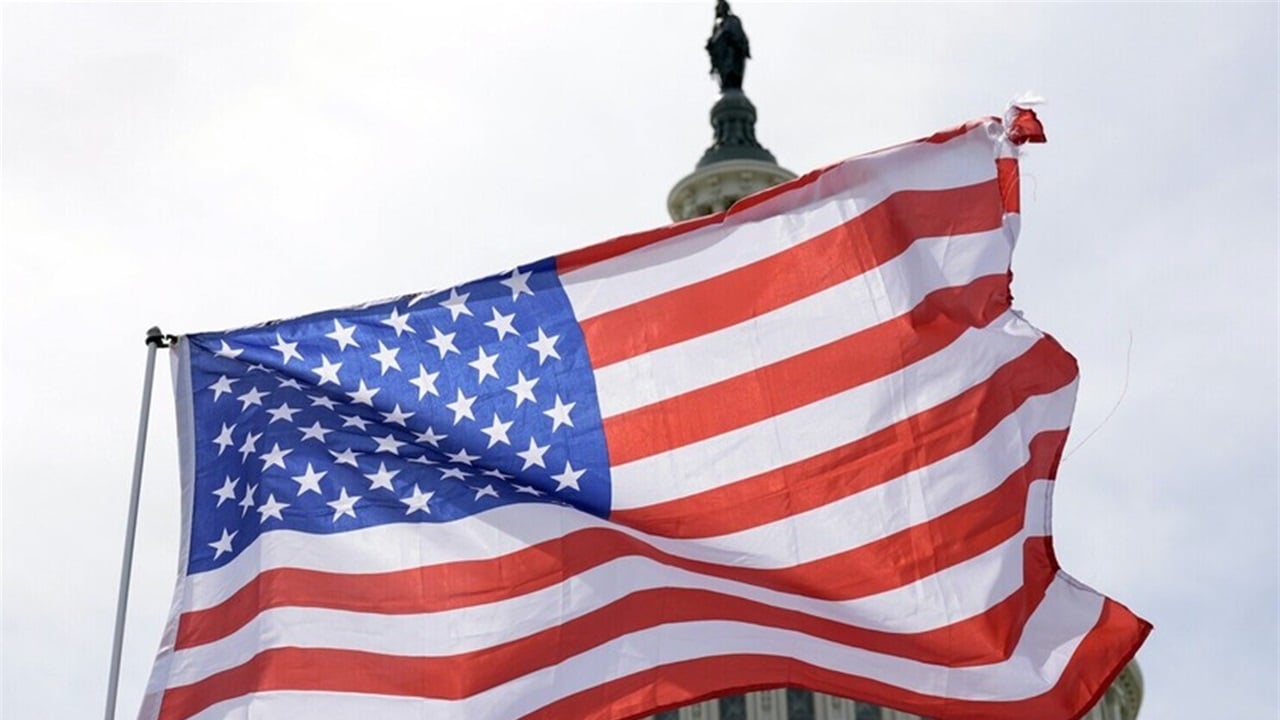
US Supreme Court rejects Trump's birthright citizenship order
🎧 Listen to this article
A dedicated English MP3 is generated for this article.
0:000:00
Tap listen to prepare the audio.
WASHINGTON, United States — WASHINGTON — The US Supreme Court ruled 6-3 on Friday against President Donald Trump's executive order that sought to limit automatic citizenship by birth in the United States.
In his concurring opinion, Justice Brett Kavanaugh wrote that the order was struck down not because it conflicted directly with the Constitution, but because it attempted to override a law previously enacted by Congress. Kavanaugh noted that Congress has the authority under the 14th Amendment to create exceptions to the birthright citizenship principle.
The justice pointed to Congress's incorporation of the relevant provision into federal law in 1940 and later into the Immigration and Nationality Act of 1952, which he said was grounded in the Supreme Court's 1898 ruling in United States v. Wong Kim Ark. He observed that the conditions today differ from those of the Reconstruction era, leaving room for lawmakers to craft new regulations within historical exceptions.
Kavanaugh added that Congress could amend the law in line with the 14th Amendment or introduce new exceptions for the children of foreign nationals in the country.